REMAKING featured in high-level debate on innovation in public administration
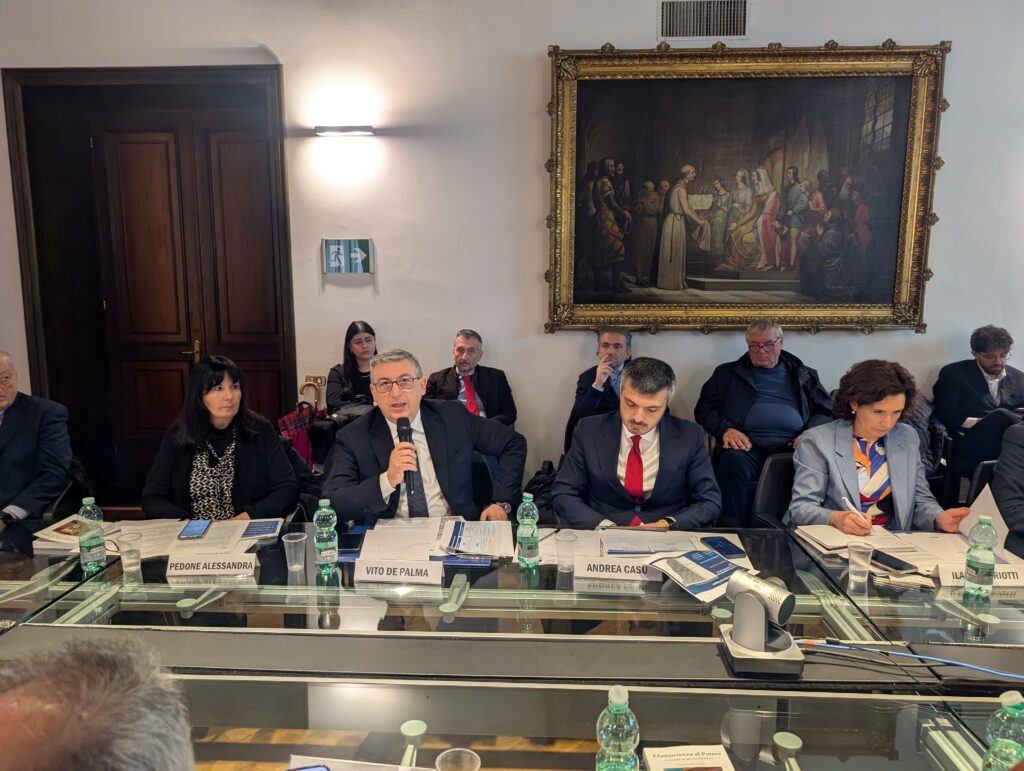
On 12 March 2026, Palazzo Wedekind in Rome (Italy) hosted a high-level conference titled “Innovazione nella Pubblica Amministrazione. Rinnovi contrattuali, percorsi di carriera e qualità del lavoro pubblico”, organized by FLP – Federazione Lavoratori Pubblici e Funzioni Pubbliche. The event brought together representatives from public administration, academia, and policymaking to discuss key challenges and opportunities for innovation in the public sector.
The debate—introduced by FLP General Secretary Marco Carlomagno and moderated by journalist Roberto Inciocchi—featured contributions from leading institutional figures, including Antonio Naddeo, Giovanni Anastasi, and Michele Camisasca, among others.
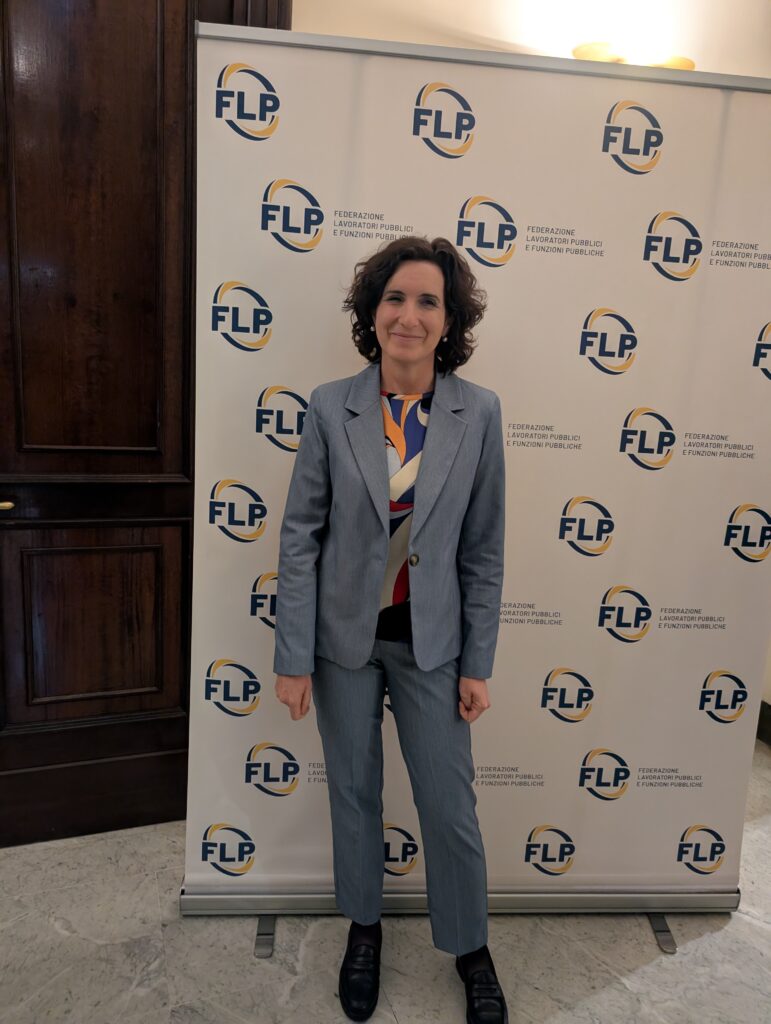
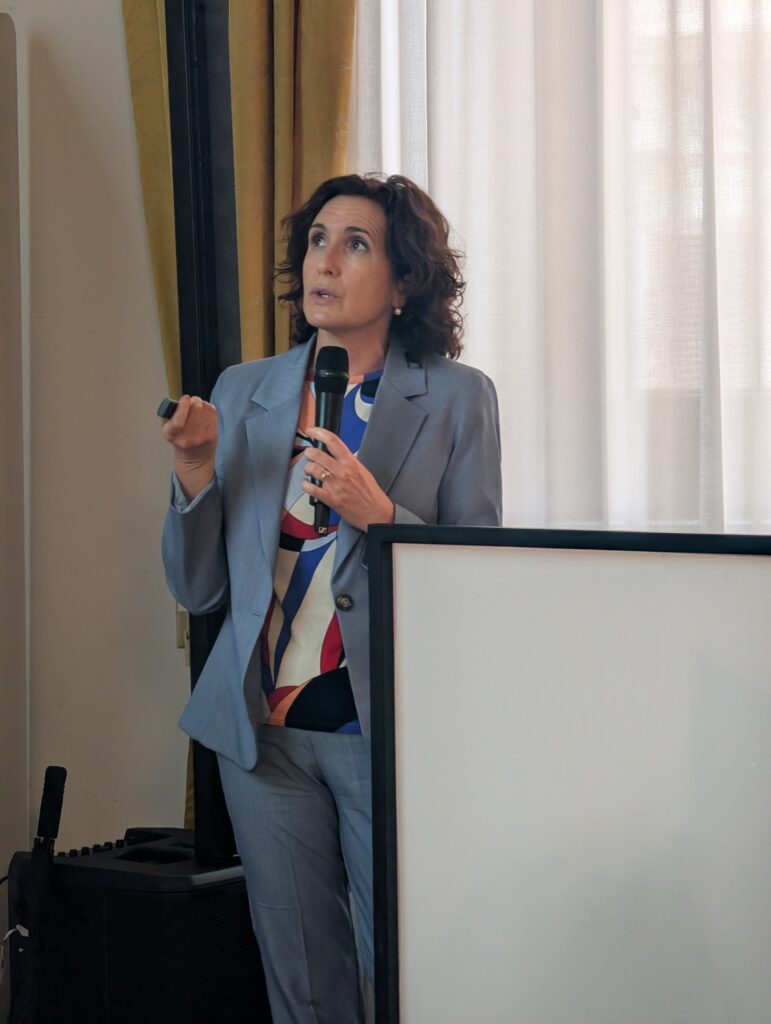
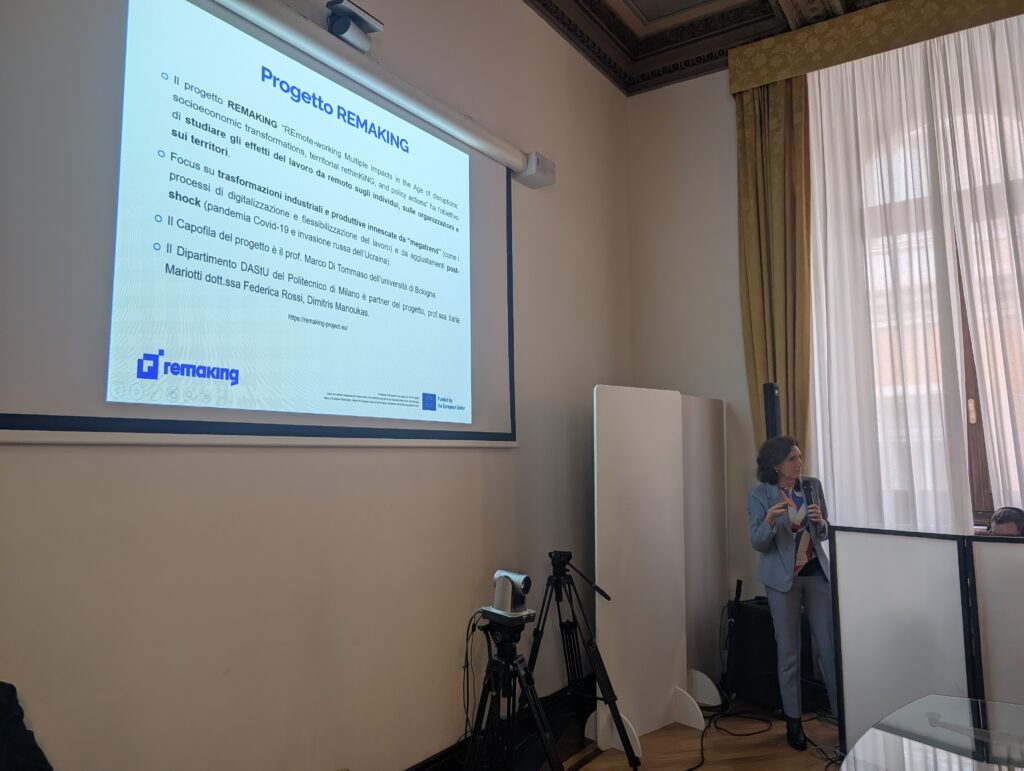
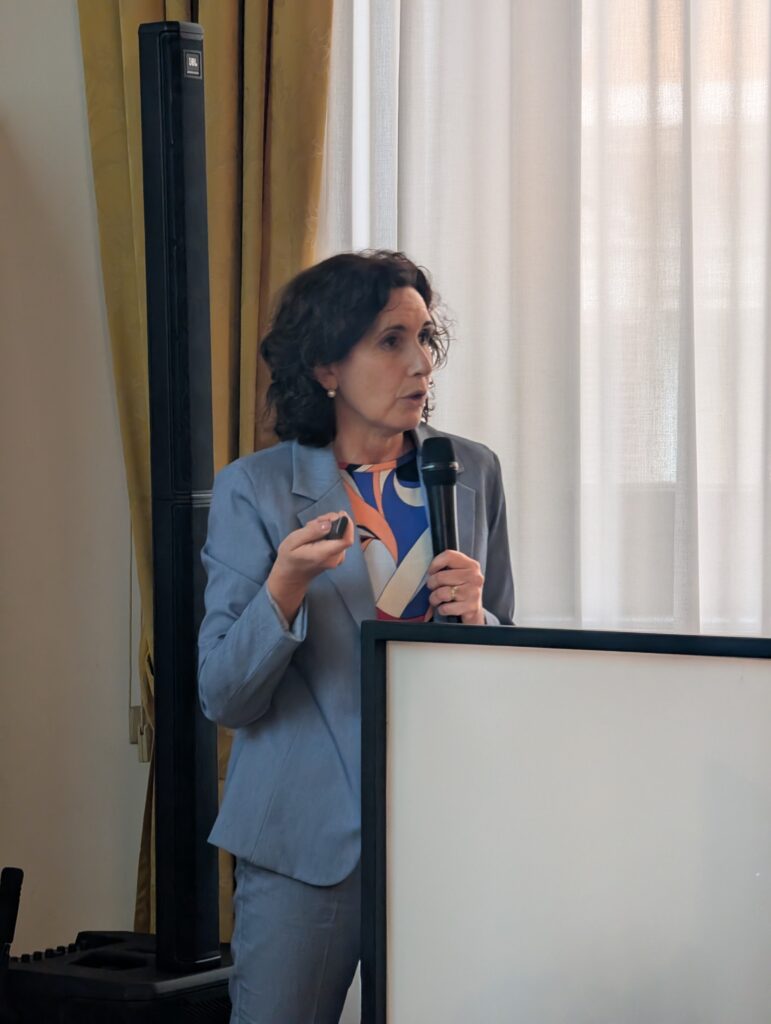
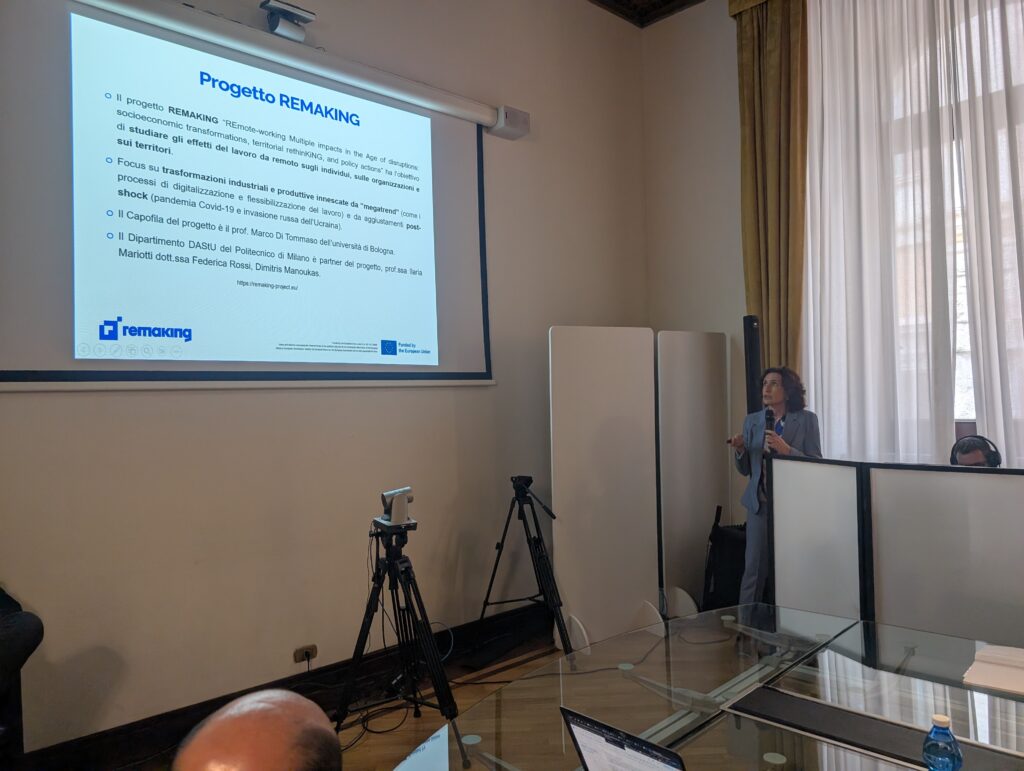
Among the invited speakers was Ilaria Mariotti (DAStU, Politecnico di Milano), a member of the REMAKING project. Her intervention contributed to discussions on the impact of artificial intelligence and hybrid working on public administration employees—two themes at the heart of ongoing transformations in the sector.
A key focus of the event was the growing importance of hybrid work, particularly in light of expectations from Generation Z, who increasingly advocate for a better work-life balance, encapsulated in the idea of “a job for a good life, not a life for a job.”
In this context, Mariotti presented findings from REMAKING. Drawing on a large-scale survey of over 14,000 knowledge workers across Europe, the REMAKING project’s quantitative analysis highlights hybrid working as one of the main determinants of life satisfaction. These results are further explored in a working paper co-authored by Mariotti together with Federica Maria Rossi, Laura Vici, and Pierpaolo Pattitoni.
The conference also featured contributions from policymakers, including members of the Italian Parliament such as Andrea Casu, Francesco Emilio Borrelli, and Chiara Tenerini.
The participation of the REMAKING project in this event underscores its relevance in shaping policy debates on the future of work, particularly regarding hybrid work models and their implications for employee well-being and organizational performance in the public sector.