REMAKING presents new remote work research at the XXIII CiMET Workshop
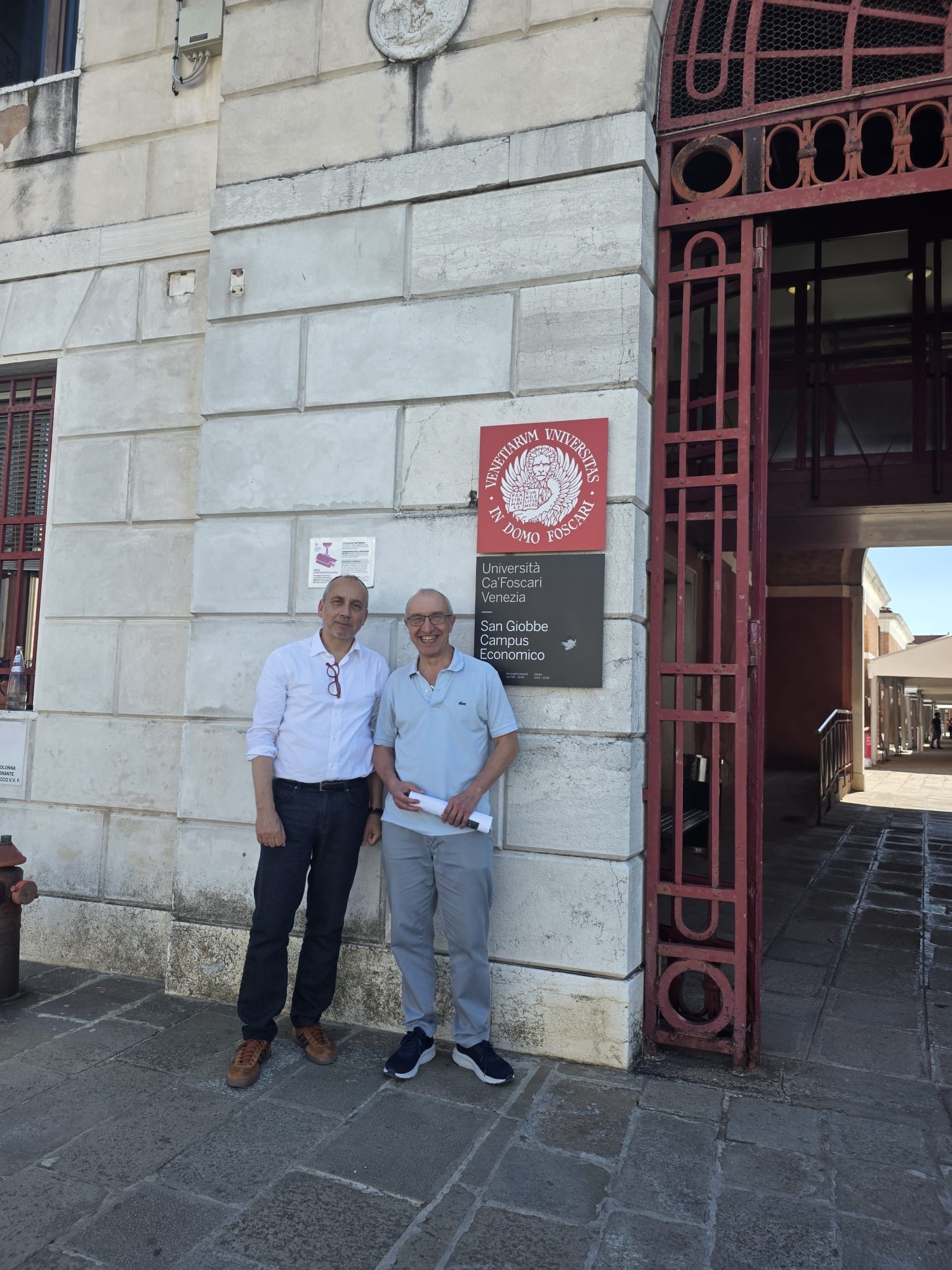
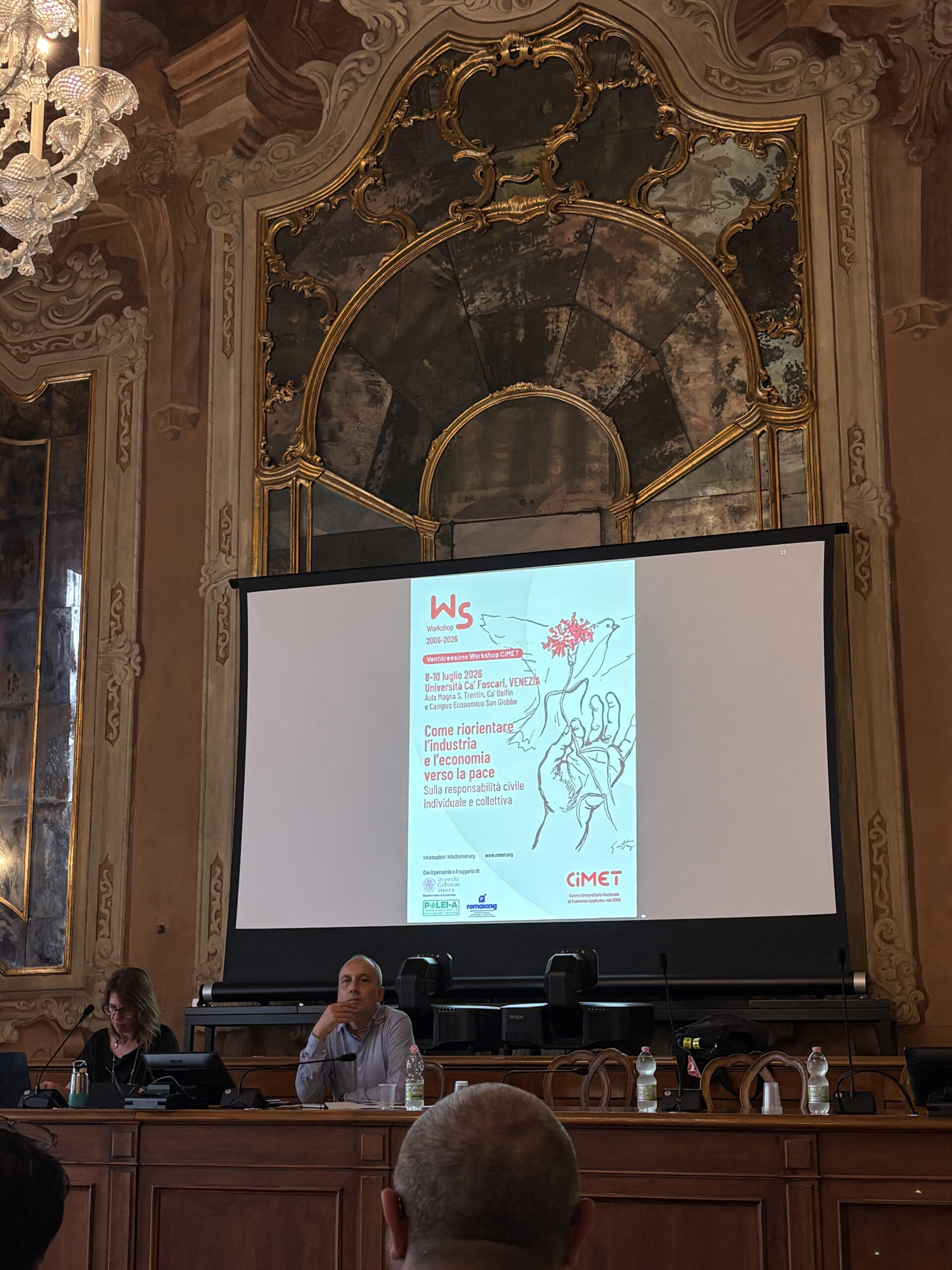
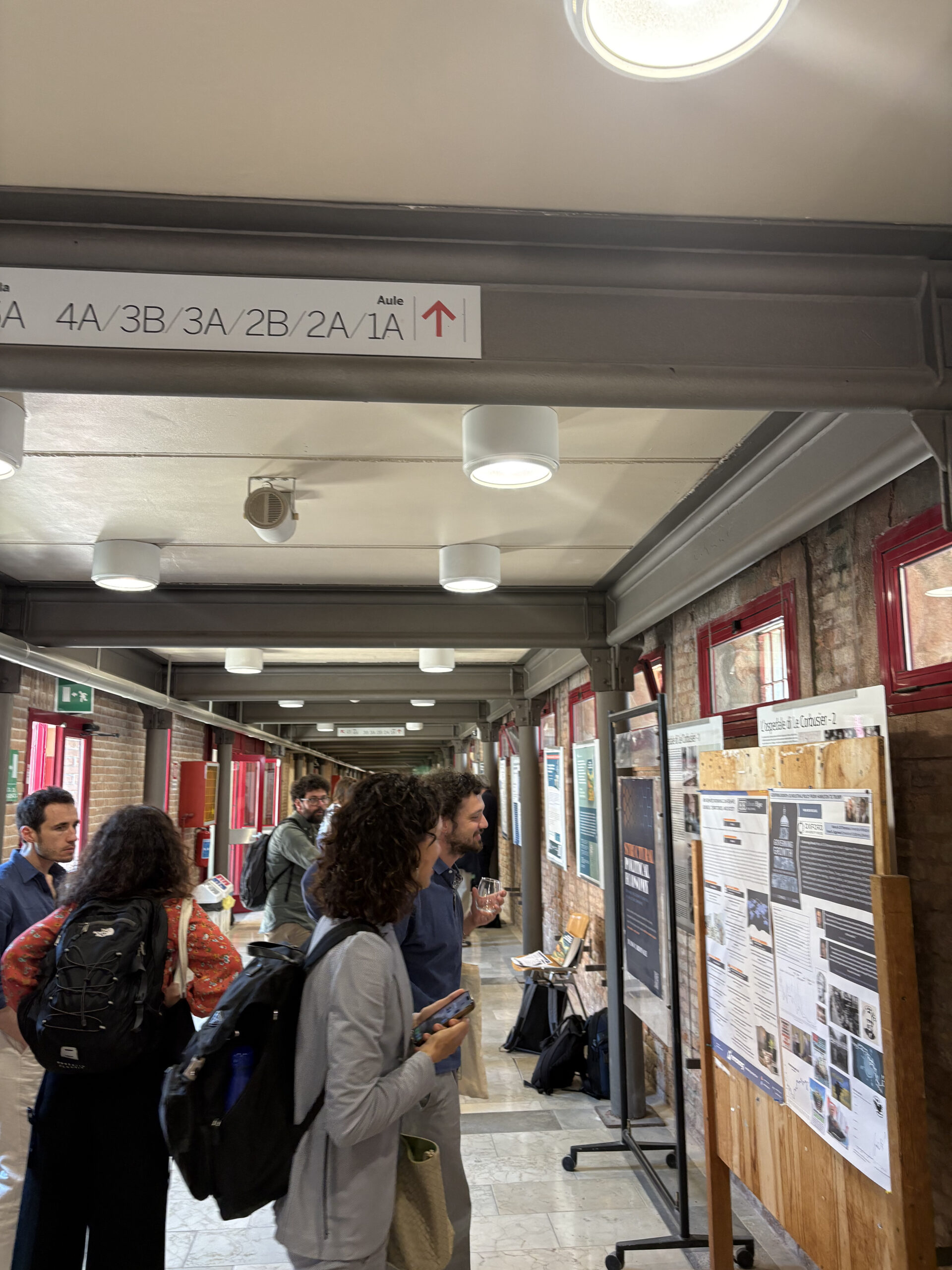
REMAKING contributed to the XXIII CiMET Workshop, held at Ca’ Foscari University of Venice from 8 to 10 July and co-organised by the project.
Under the theme “How to Reorient Industry and the Economy Towards Peace: On Individual and Collective Civic Responsibility,” the workshop brought together researchers, public institutions and policy experts to examine economic transformation, industrial policy, innovation, territorial development and social responsibility. The event took place at the Aula Magna Silvio Trentin in Ca’ Dolfin and the San Giobbe Economics Campus.
REMAKING members contributed to the workshop through three presentations addressing the territorial, organisational and social implications of remote and hybrid work.
Residential mobility and work geography
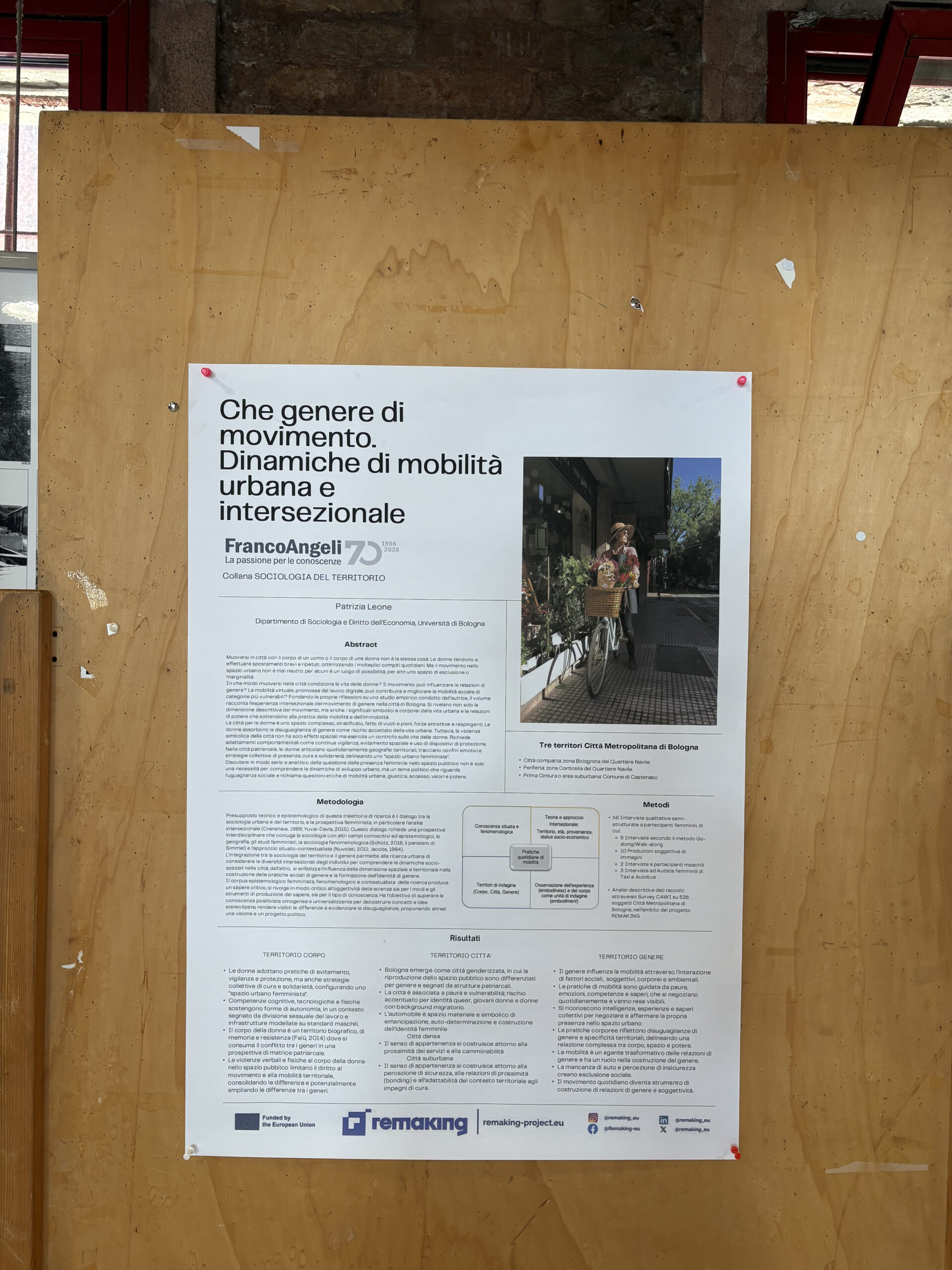
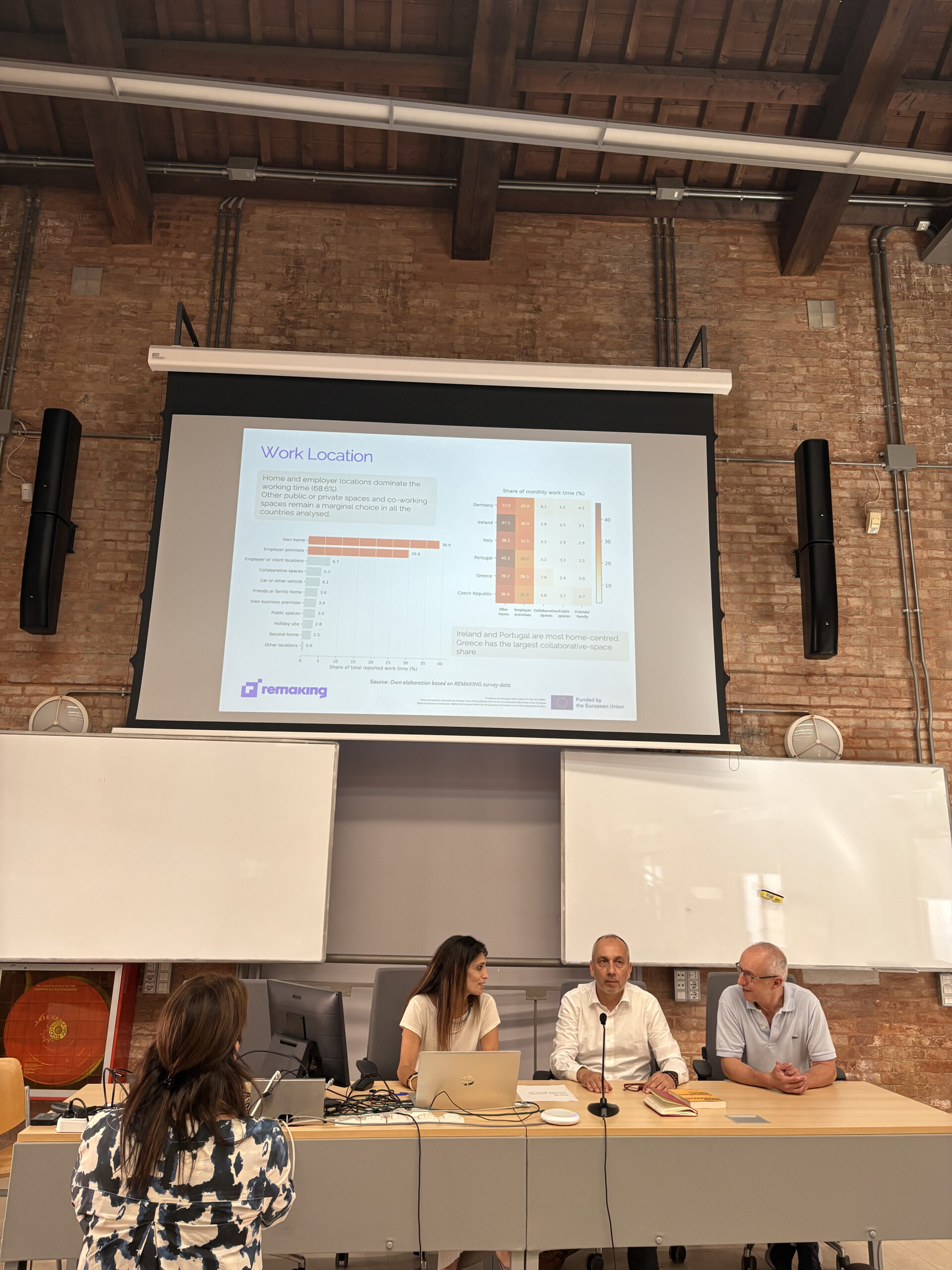
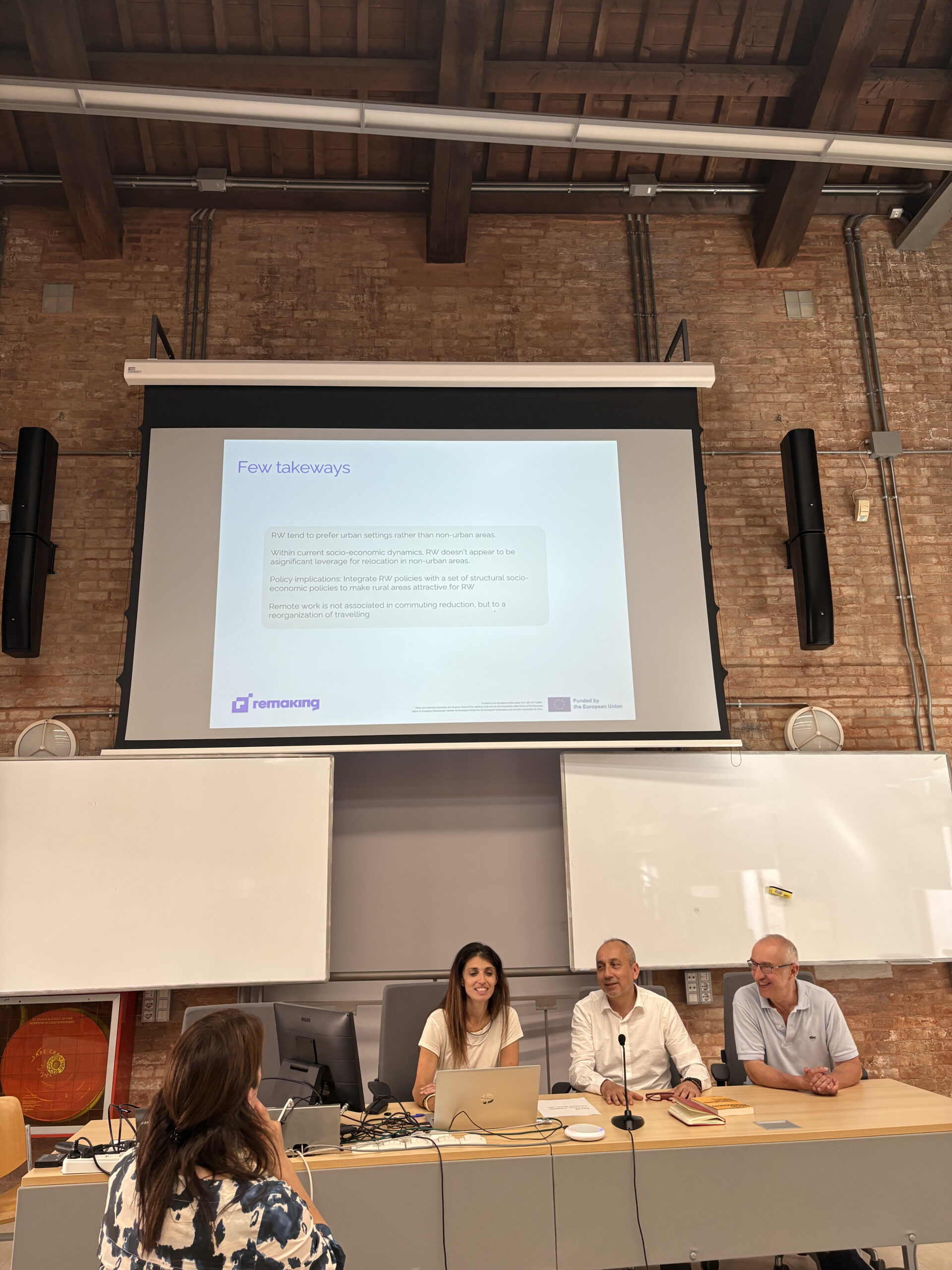
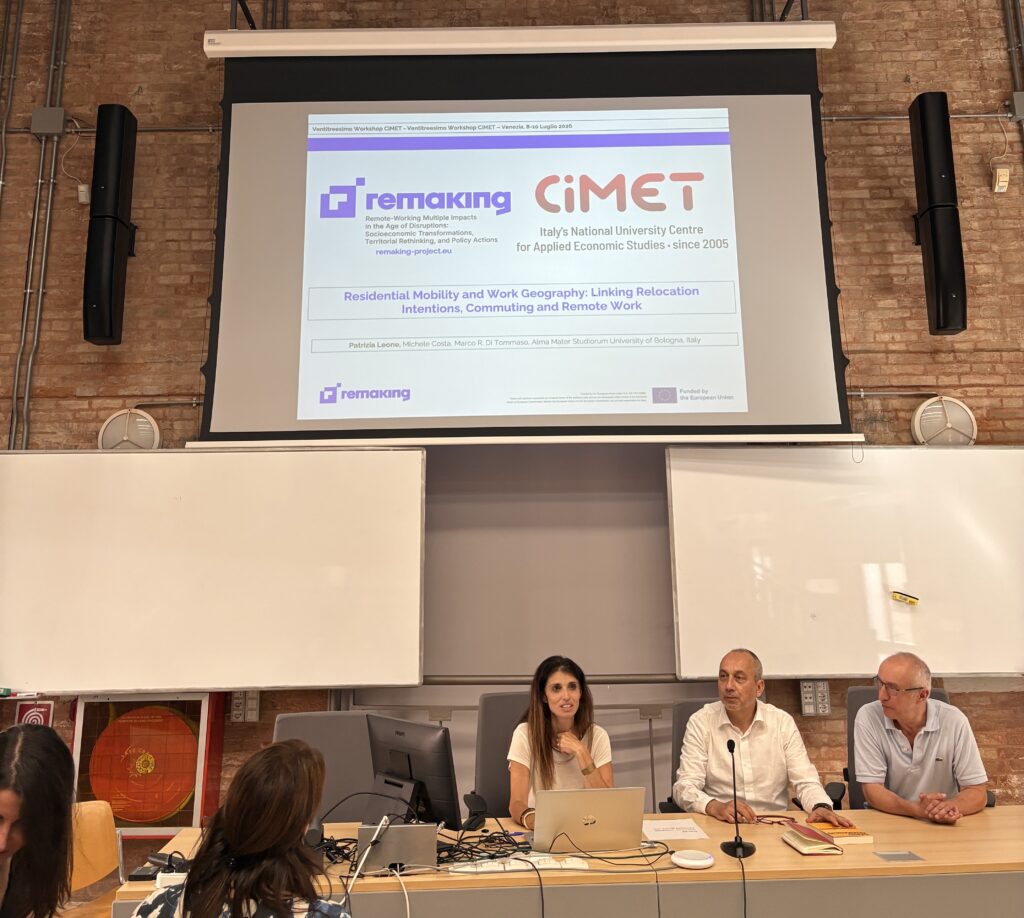
In “Residential Mobility and Work Geography: Linking Relocation Intentions, Commuting and Remote Work,” Patrizia Leone, Michele Costa and Marco R. Di Tommaso from University of Bologna examined the relationship between remote work, commuting patterns and workers’ intentions to relocate.
Their contribution explored how new working arrangements can change the connection between places of residence and employment, while influencing everyday mobility and longer-term residential choices.
Remote work in Milan’s public administration
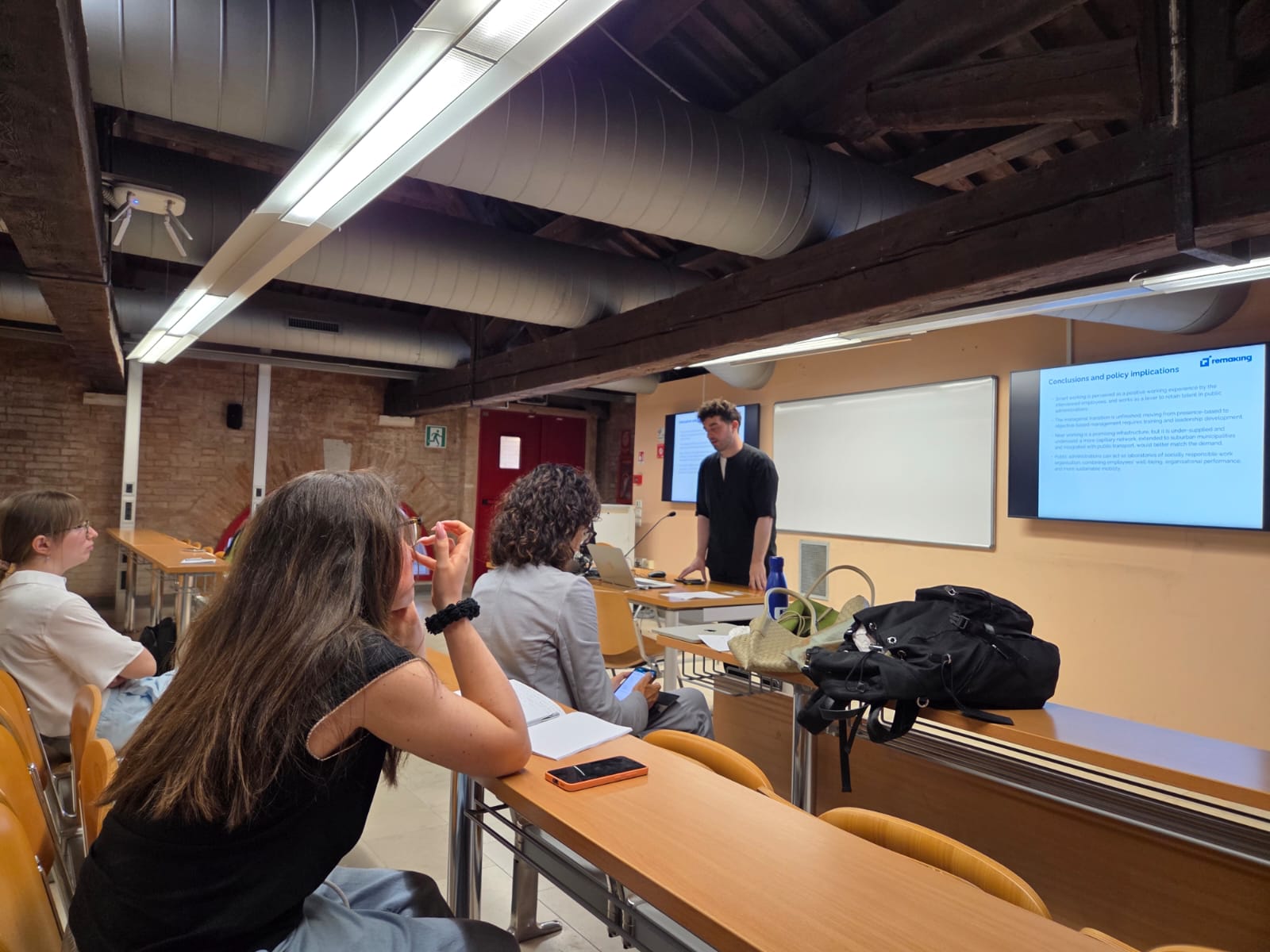
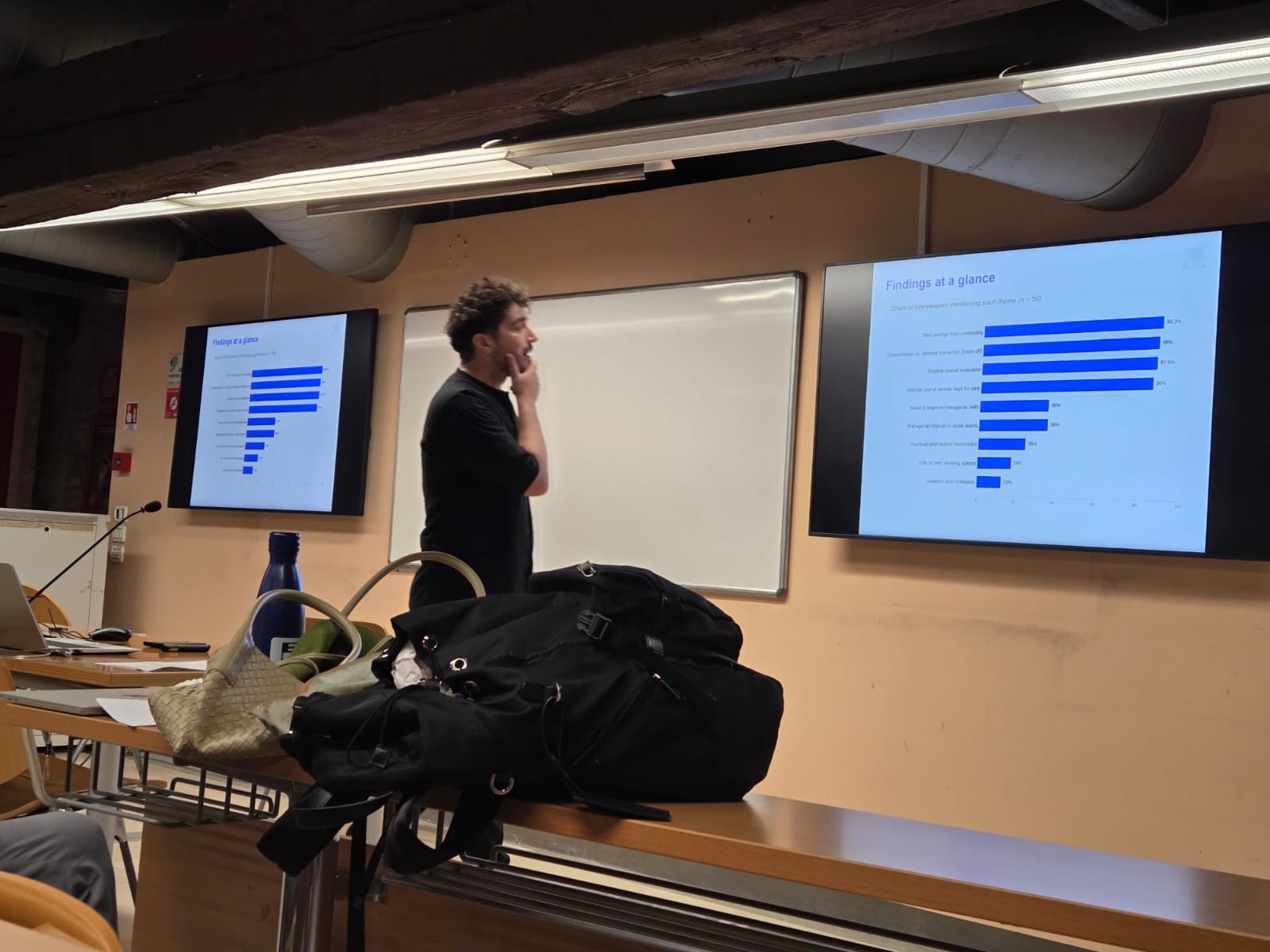
Dimitrios Manoukas, Ilaria Mariotti and Federica Maria Rossi from Politecnico di Milano presented “Remote Working in Public Administrations: The Case of Milan.”
The presentation focused on the introduction and development of remote and hybrid working practices within public administrations, using Milan as a case study. It considered how these arrangements affect organisational processes, employees’ working conditions and the management of public services.
Remote work, skills and innovation in Bologna
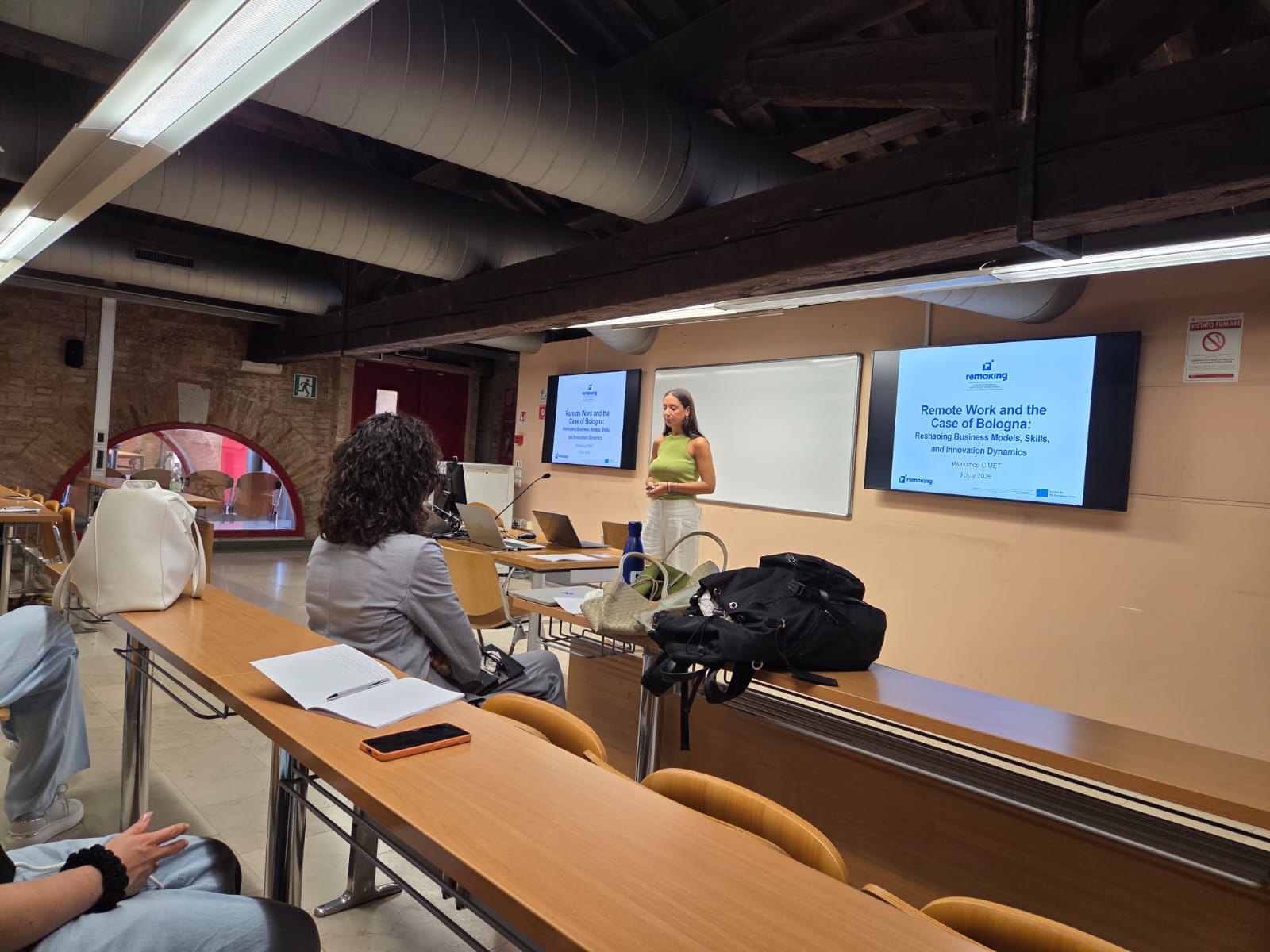
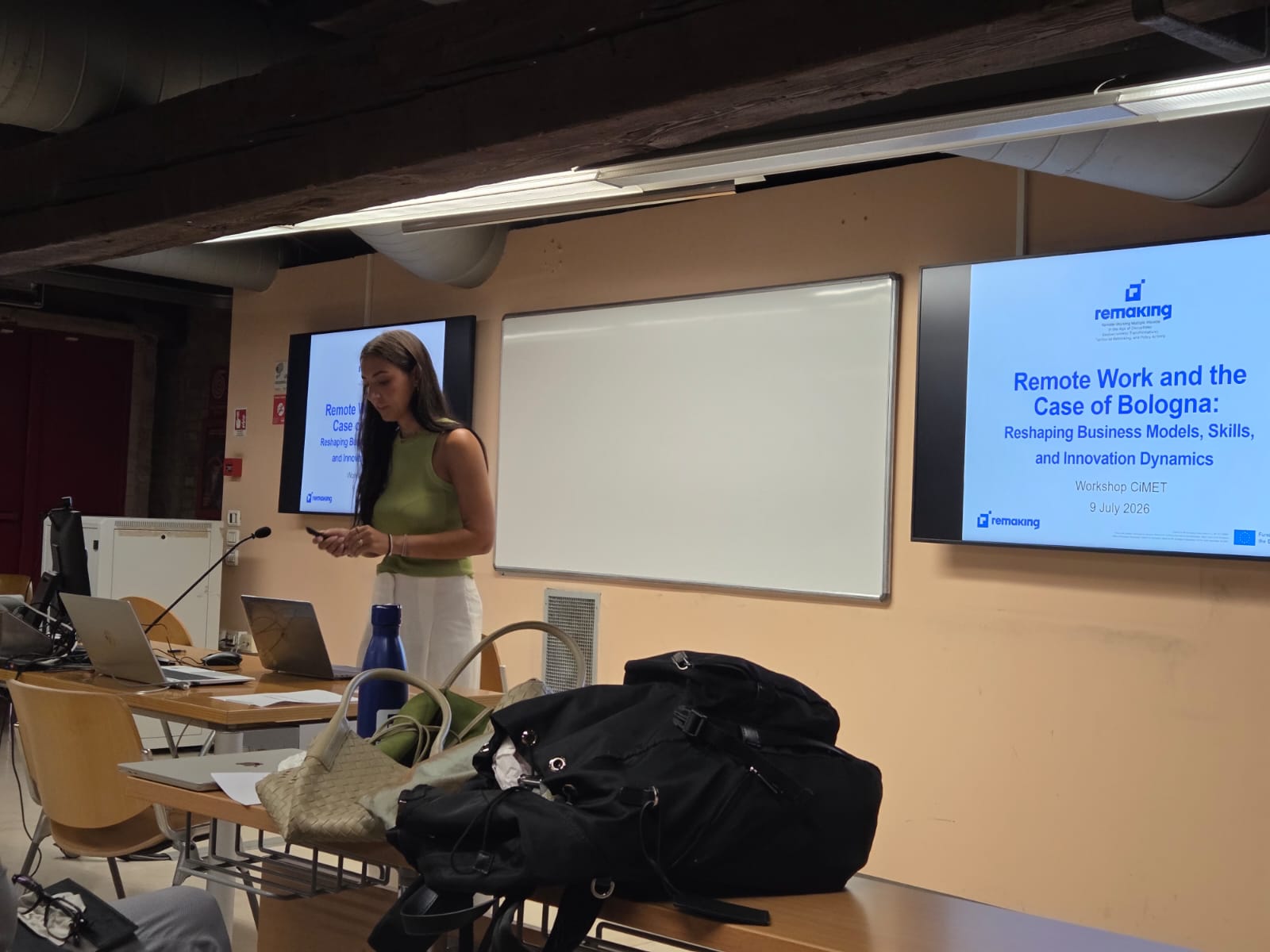
Elena Prodi, Elena Sofia Palmieri and Marco R. Di Tommaso presented “Remote Work and the Case of Bologna: Reshaping Business Models, Skills, and Innovation Dynamics.”
The contribution analysed how remote and hybrid work are transforming business models, skills requirements and innovation processes in the Bologna area, highlighting the connections between organisational change and territorial development.
Marco R. Di Tommaso, REMAKING Project Coordinator and Director of CiMET, played a central role in the event. Patrizia Leone, Elena Sofia Palmieri and Elena Prodi were also members of the workshop’s scientific and organisational committee.
Presenting the REMAKING book
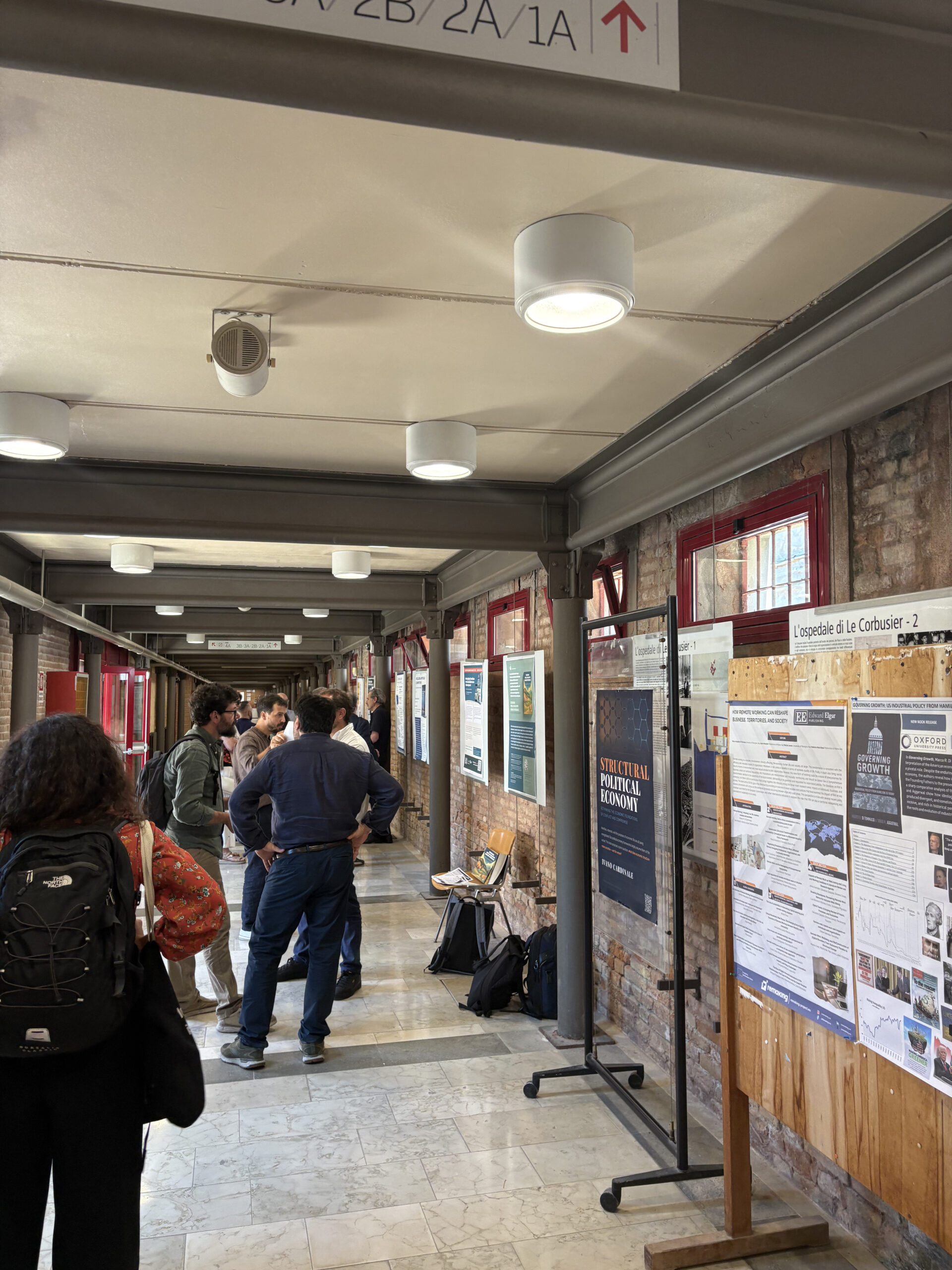
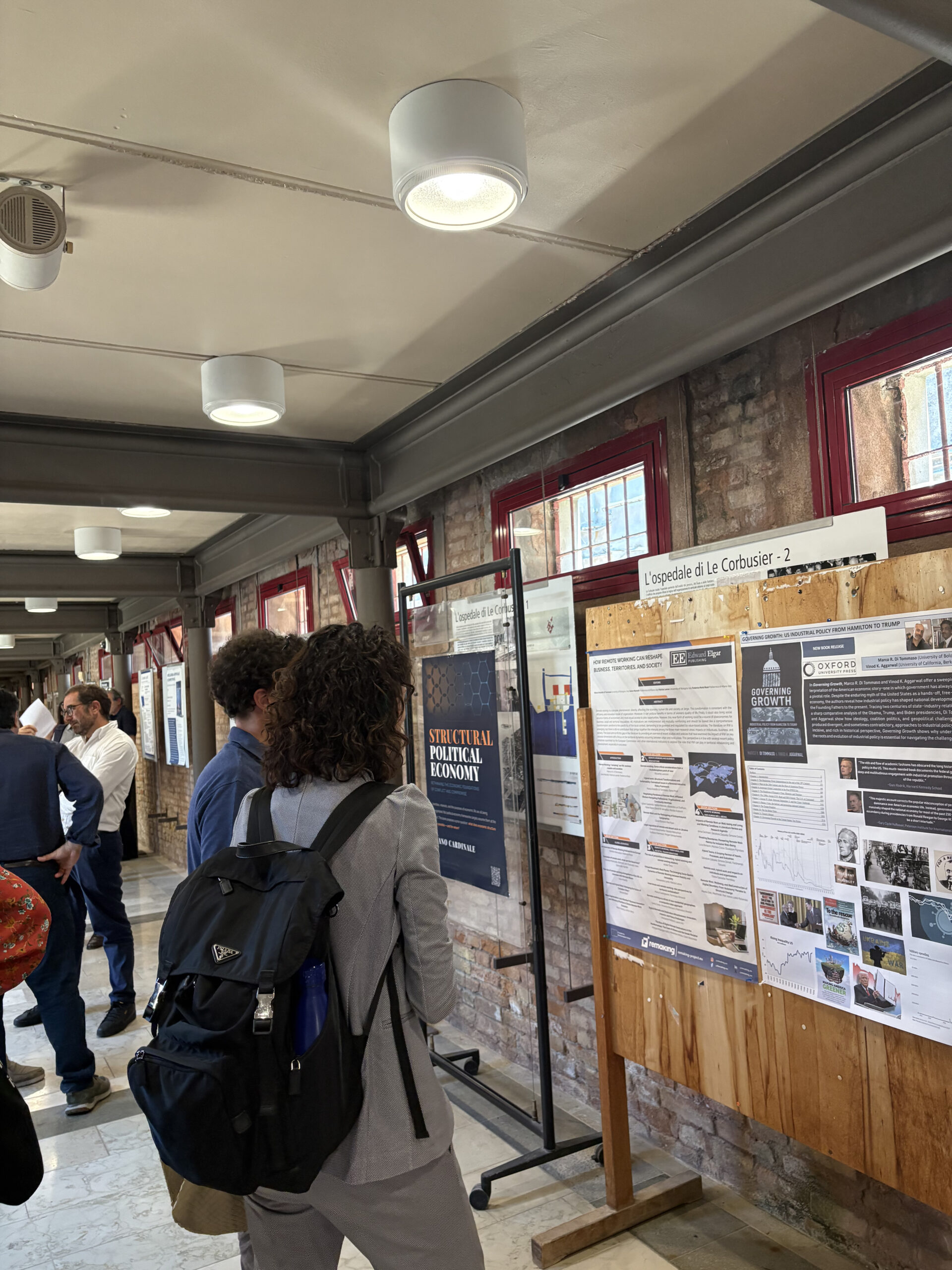
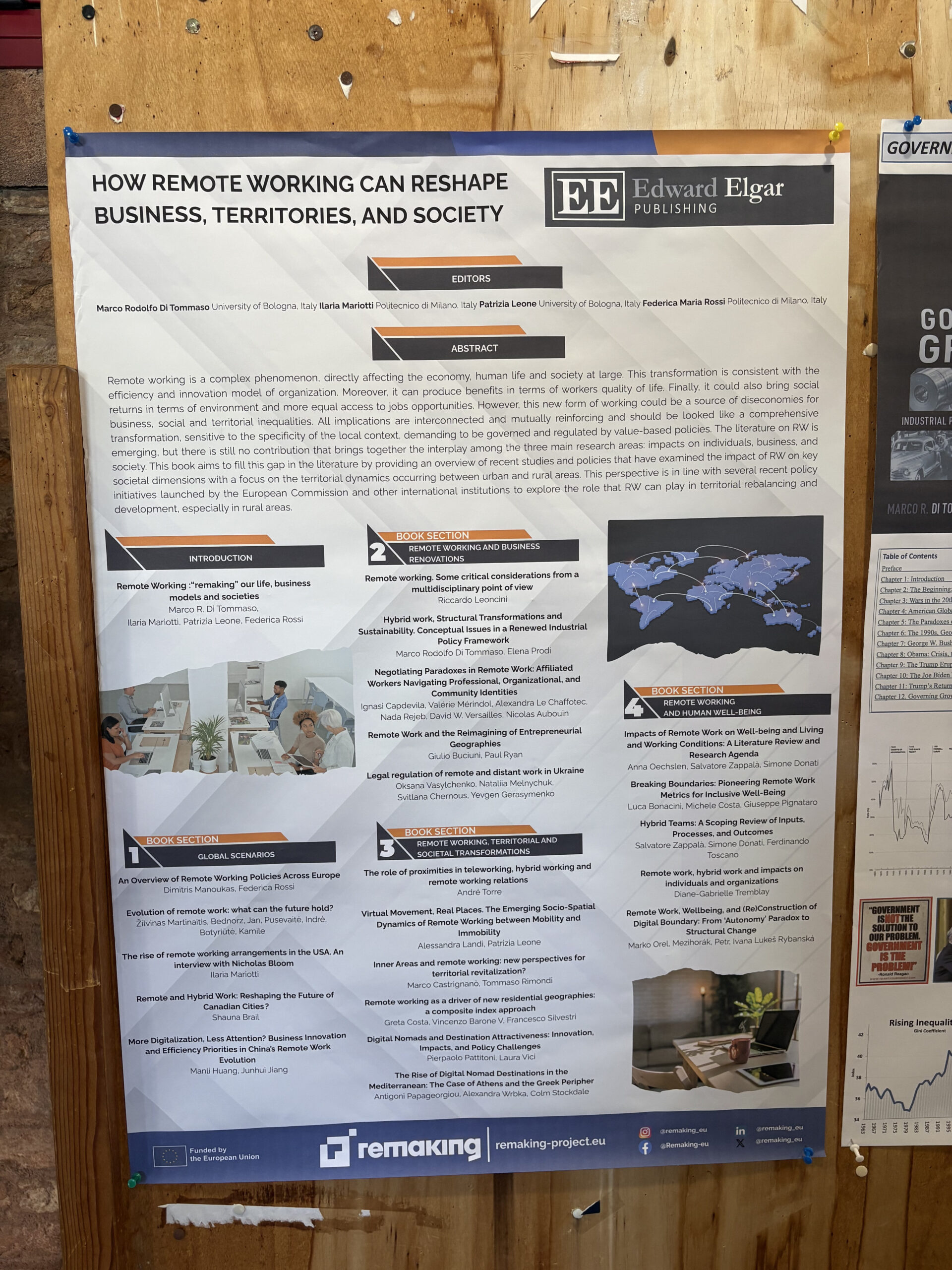
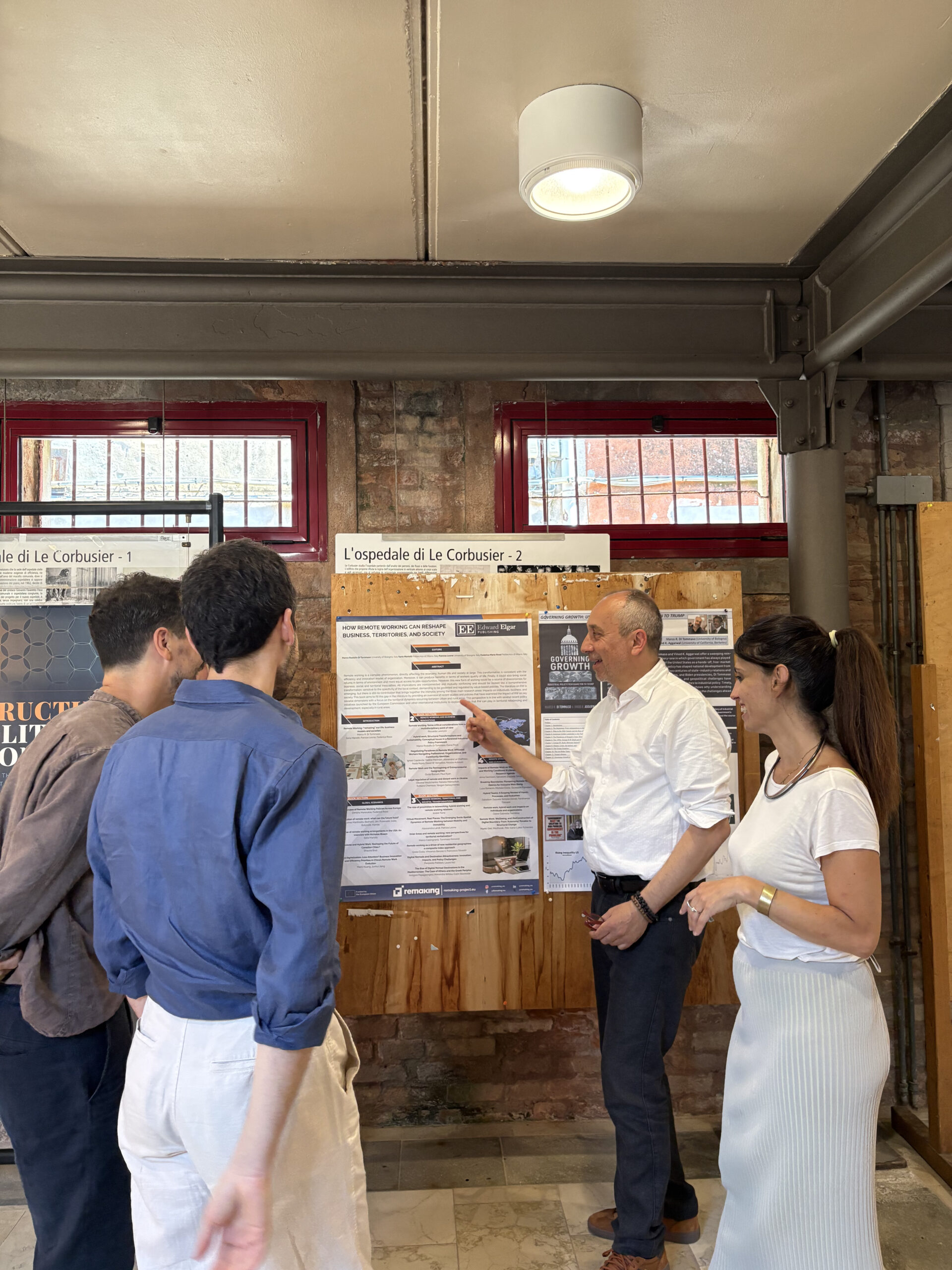
The workshop also included a dedicated book section in which the forthcoming Edward Elgar volume How Remote Working Can Reshape Business, Territories, and Society was presented.
The book brings together contributions examining the theoretical and conceptual dimensions of remote work and its consequences for organisations, workers, territories and society. Its chapters explore how remote and hybrid working arrangements are affecting business strategies, labour relations, mobility, inequalities, skills and territorial development.
The presentation offered an opportunity to introduce the volume to an interdisciplinary academic and policy audience and to connect its main themes with the empirical research being developed within REMAKING.
Through its presentations and book contribution, REMAKING brought evidence on remote work into wider discussions about industrial transformation, territorial change and the social responsibilities associated with major economic transitions.