REMAKING Workshop in Milan to discuss research findings and Policy Recommendations
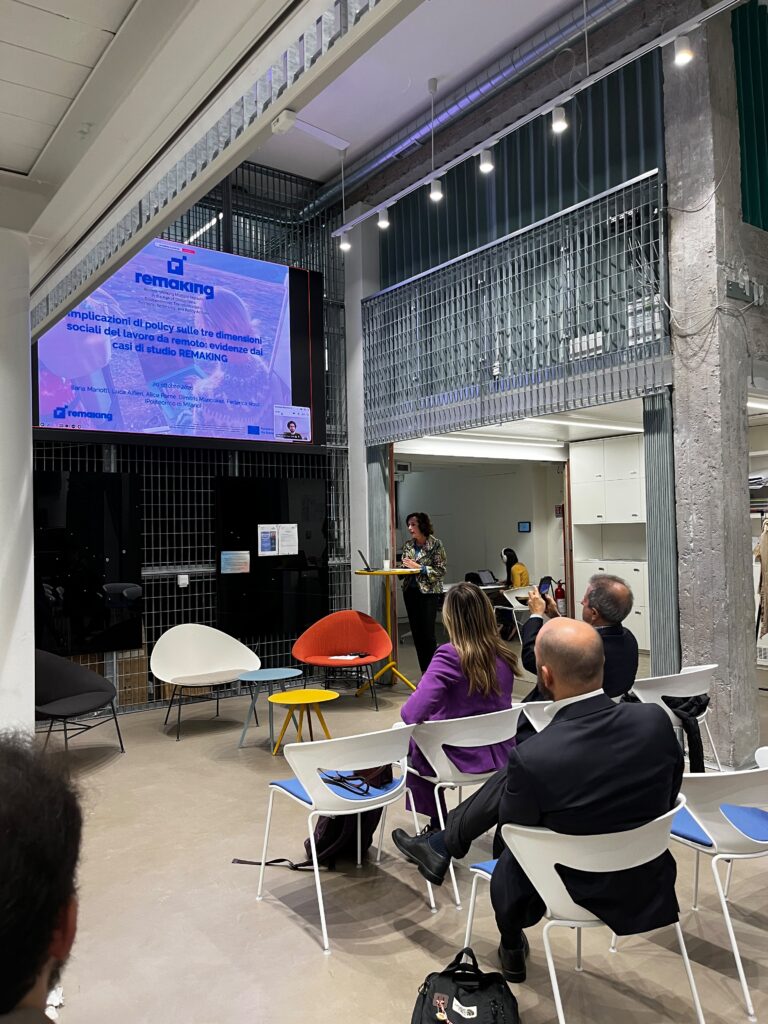
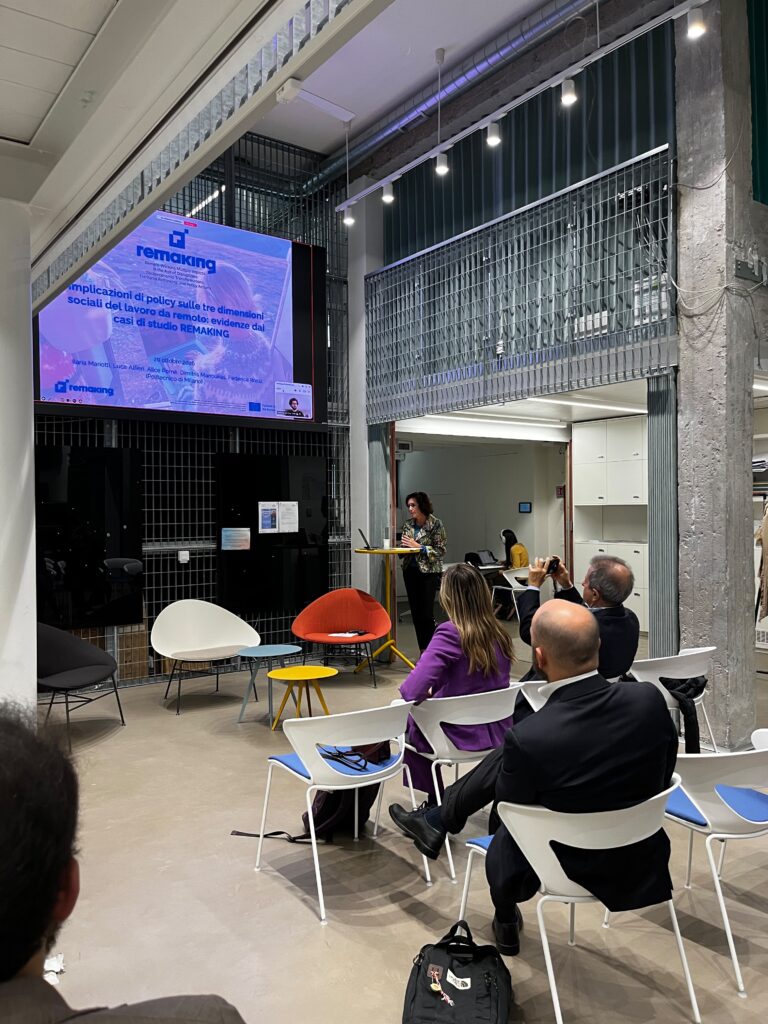
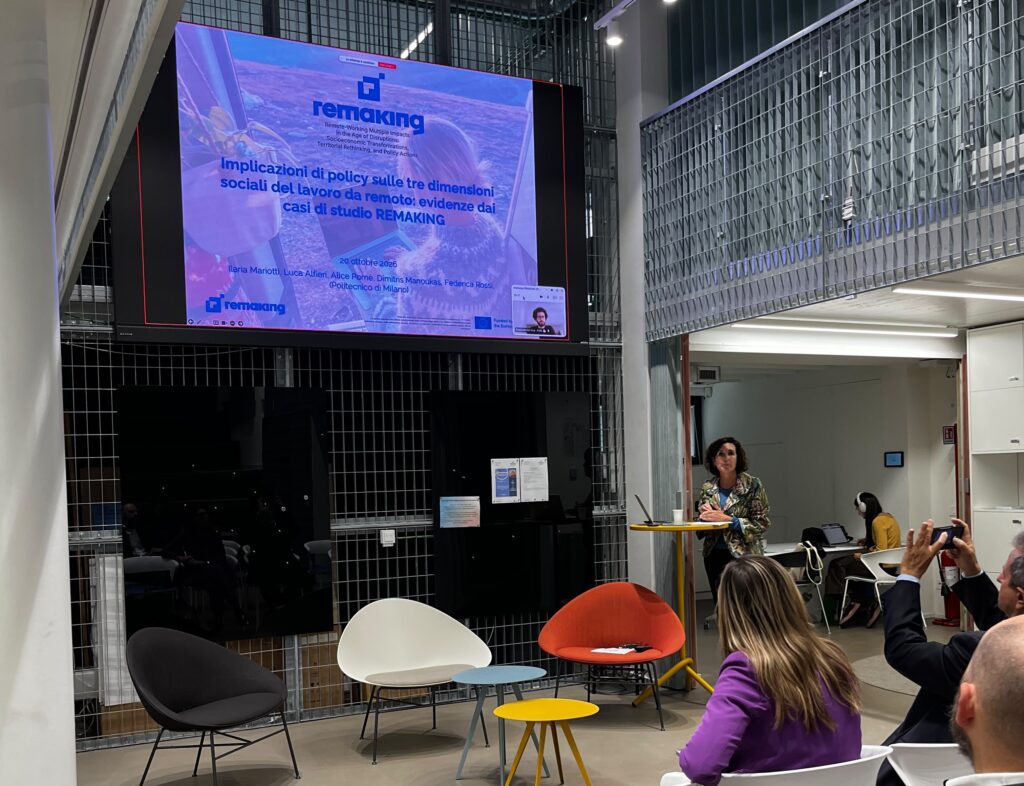
On 20 October 2026, REMAKING organised a policy workshop at the Politecnico di Milano, bringing together Italian stakeholders to discuss the project’s research findings and policy recommendations on the future of remote and hybrid work.
The workshop, hosted by the Department of Architecture and Urban Studies (DAStU) at Politecnico di Milano, provided an opportunity to exchange perspectives with representatives from trade unions, business associations, research institutes and organisations supporting the development of inner areas.
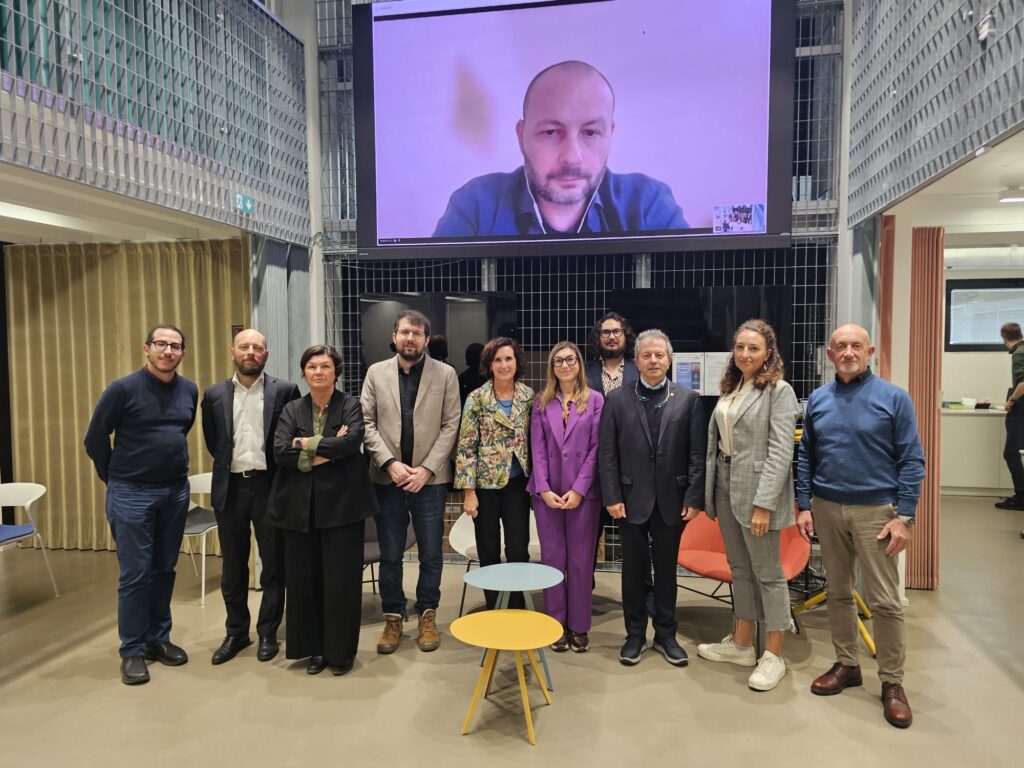
The event brought together representatives from Assolombarda, FLP, ITS Italy, Smartworking Magazine, Polis, Southworking, Università Bocconi, AMAT and INAPP, alongside researchers from Politecnico di Milano. Their participation contributed different perspectives on the challenges and opportunities associated with remote working and its implications for workers, businesses and territories.
Through five case studies and more than 450 interviews, REMAKING has explored the socioeconomic and territorial impacts of remote working across Europe, examining different groups of workers, including digital nomads, displaced workers, high-tech professionals and post-pandemic remote workers.
Building on these findings, the project has developed 19 policy recommendations addressing three levels of governance: EU and national, regional and local, and corporate. These recommendations cover six key areas: labour rights, industrial relations, mobility, regional development and territorial equity, infrastructure, and health and well-being.
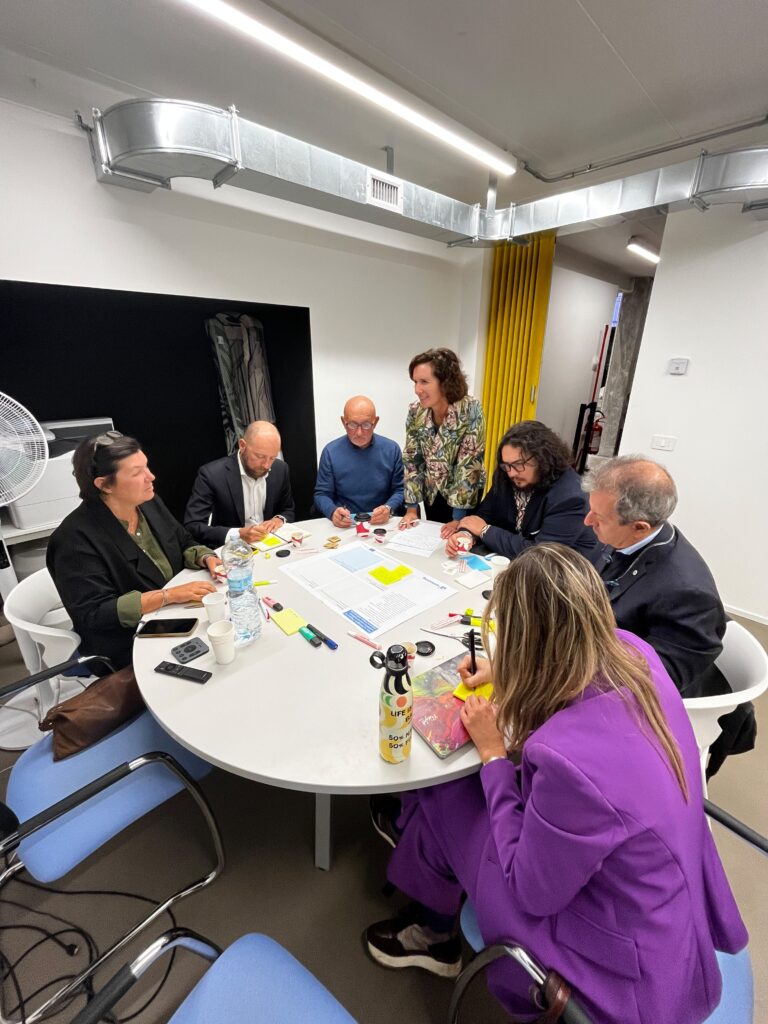
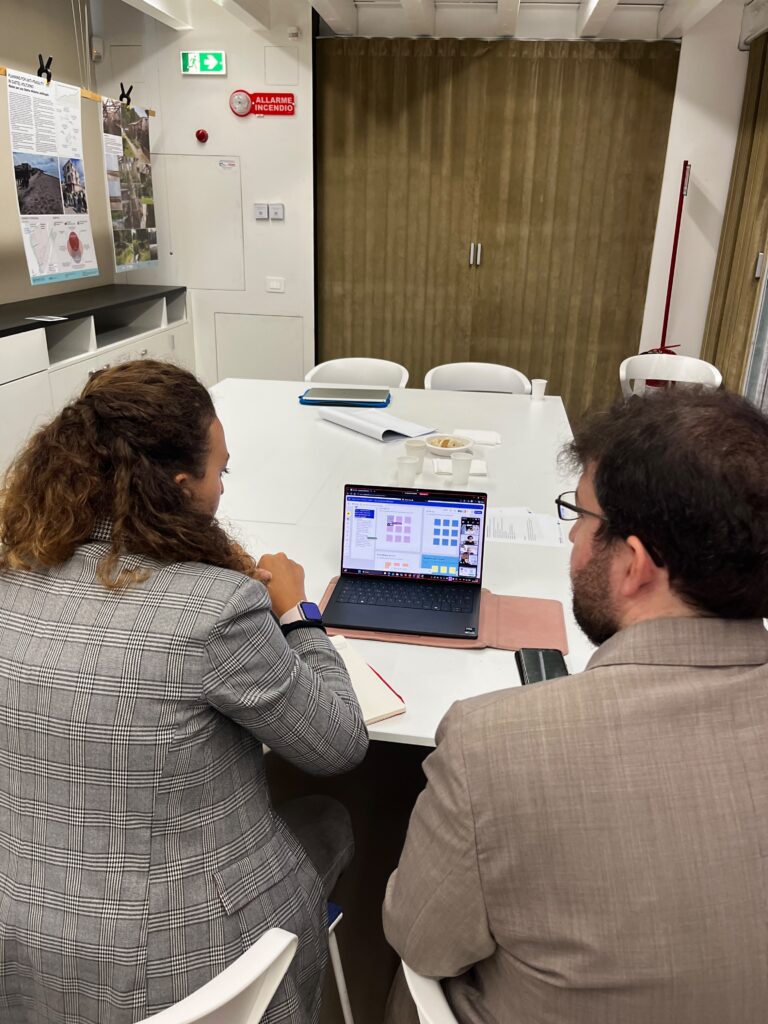
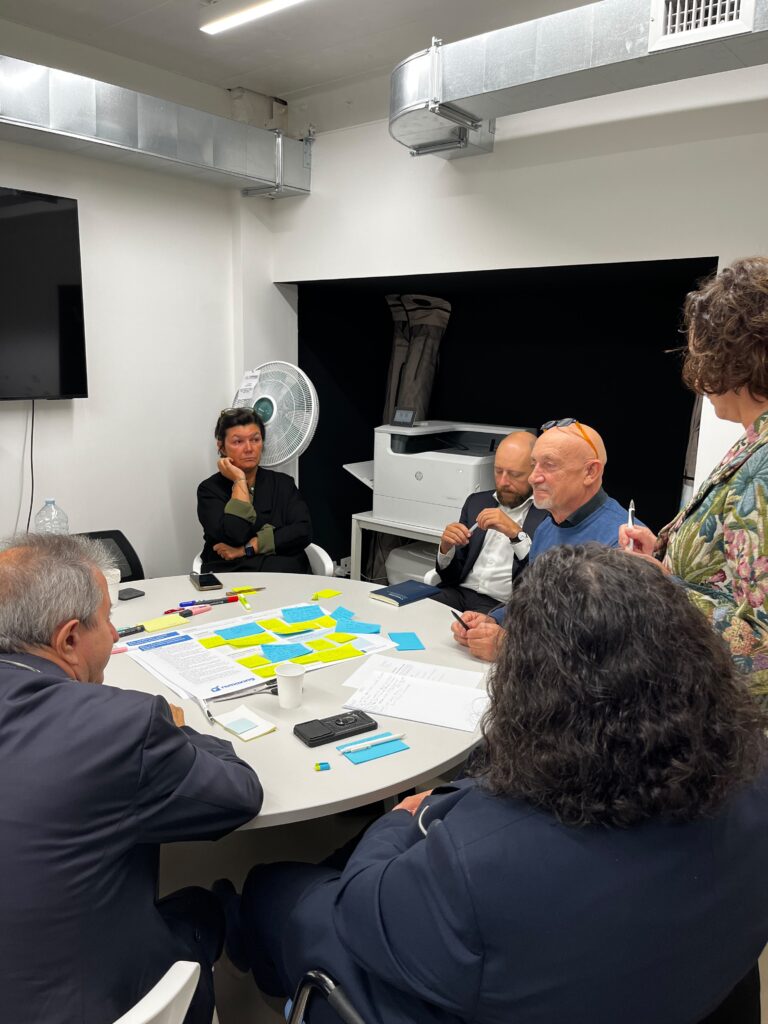
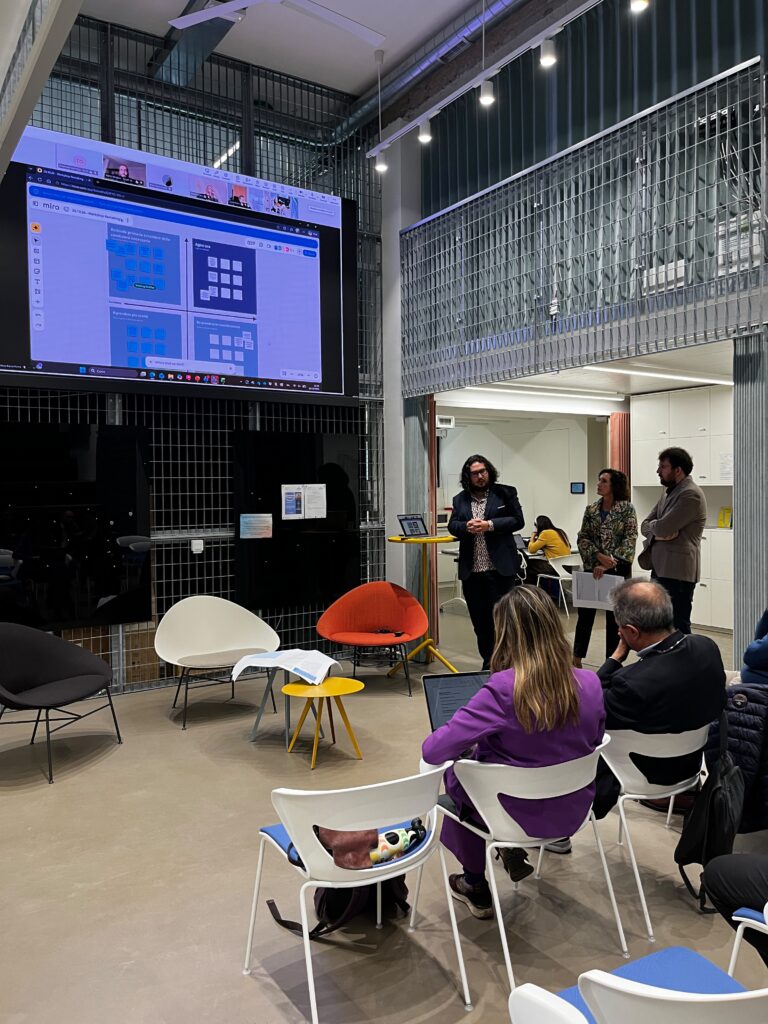
The workshop combined presentations of the main research findings with interactive group discussions to assess the feasibility, challenges and practical implementation of the proposed recommendations. Participants also took part in a prioritisation exercise to identify the most urgent and achievable policy actions.
The event contributed to REMAKING’s ongoing efforts to translate research evidence into practical policy proposals that respond to the changing realities of work and their implications for European territories.