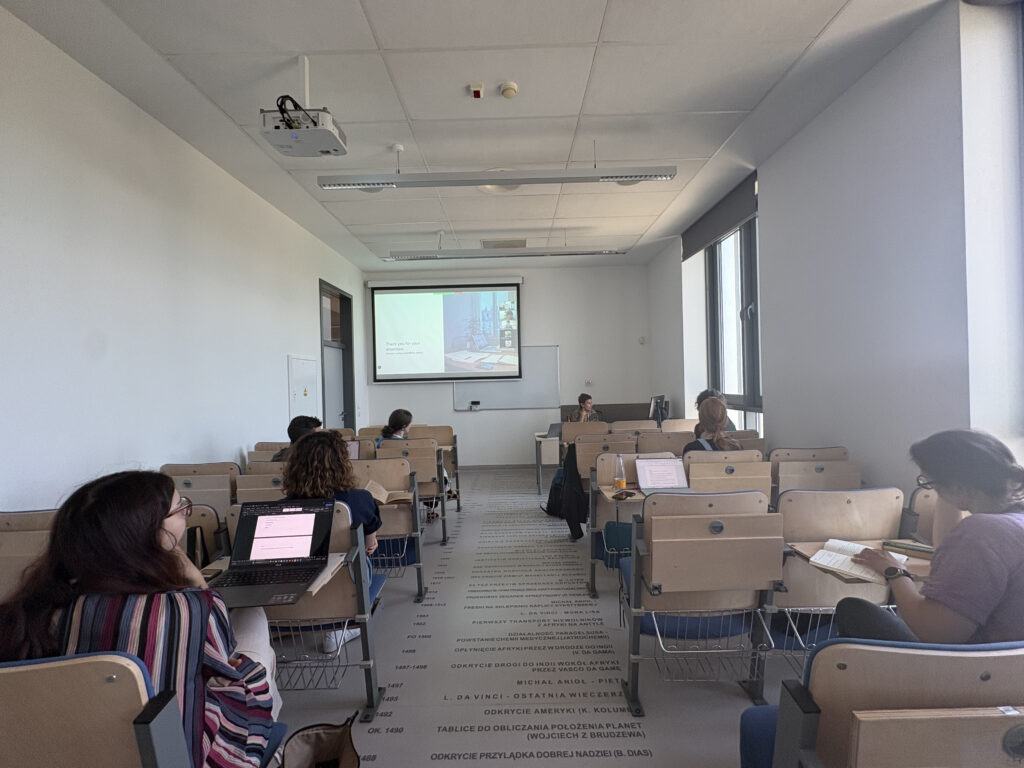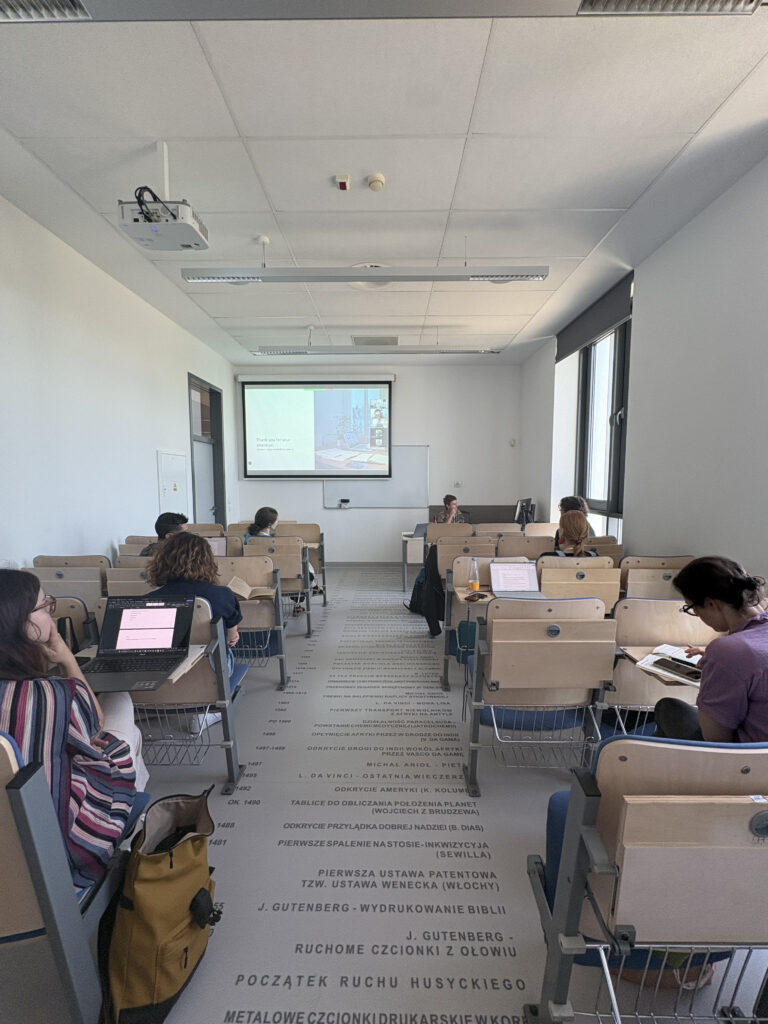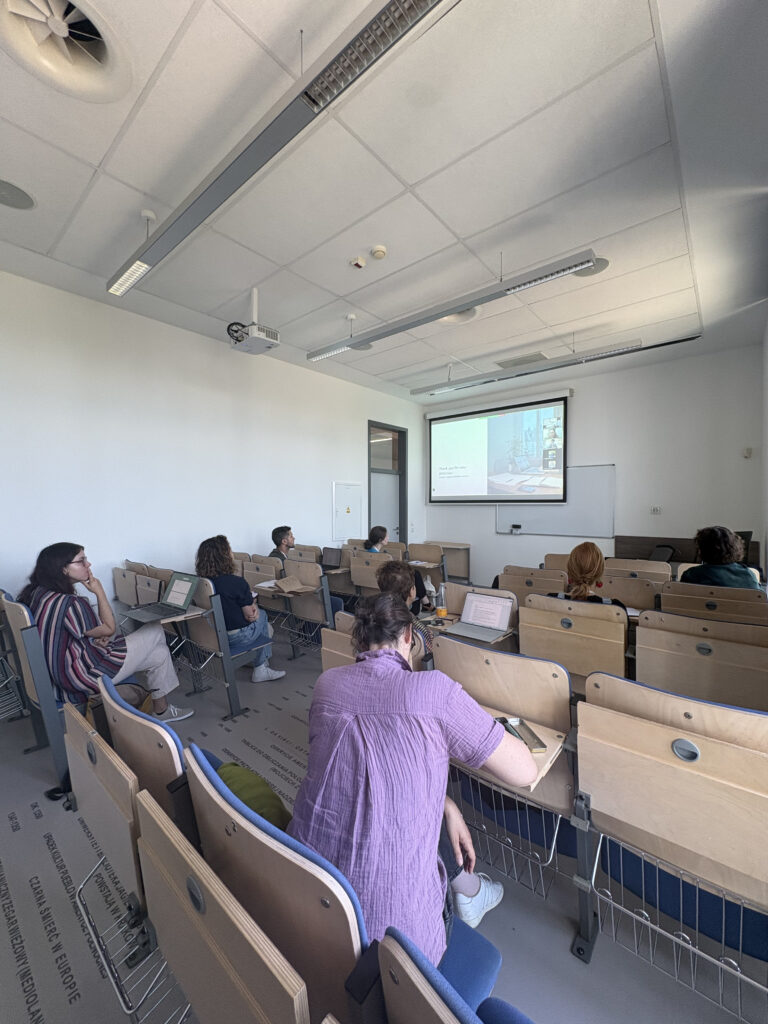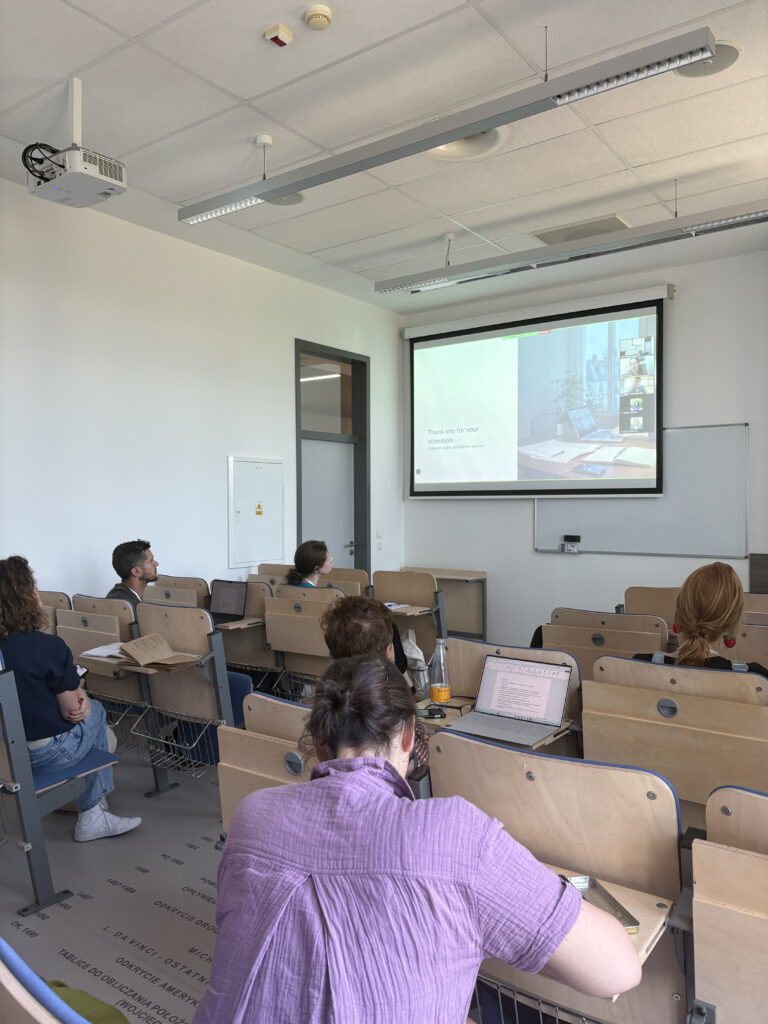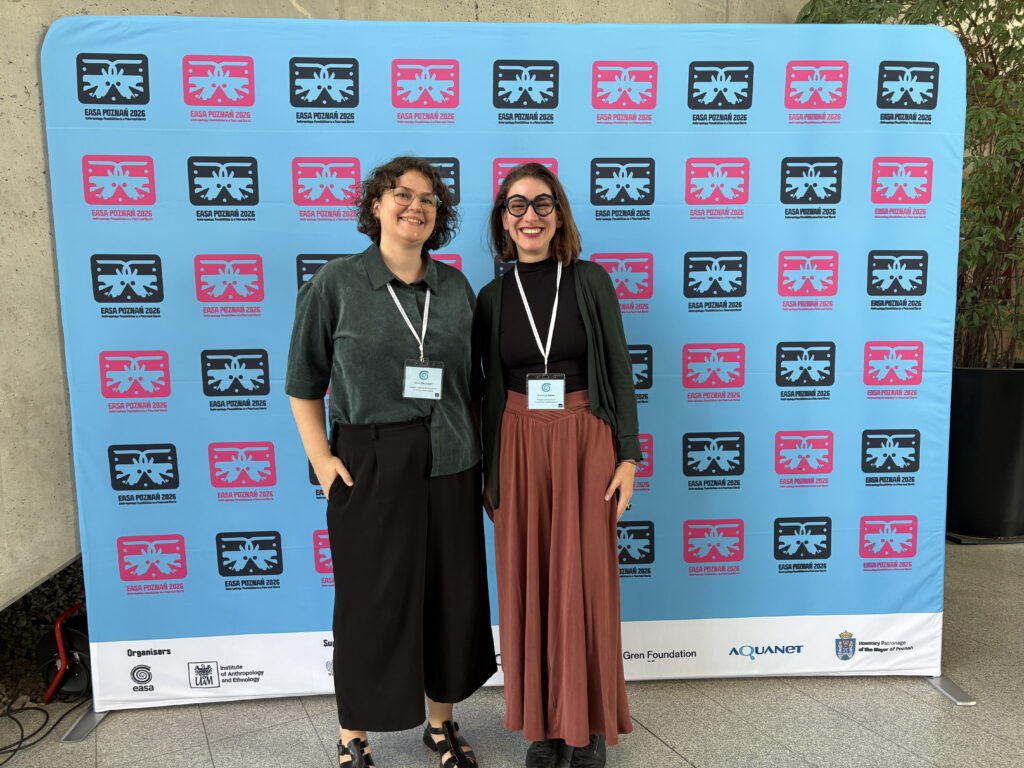
REMAKING research presented at EASA2026 in Poznań
REMAKING researchers presented findings on displaced Ukrainian workers and digital nomadism at EASA2026, the biennial conference of the European Association of Social Anthropologists.
Held every two years, EASA is one of the largest gatherings of social anthropologists in Europe. This year’s edition took place from 21 to 24 July 2026 at Adam Mickiewicz University in Poznań, Poland, under the theme “Anthropology: Possibilities in a Polarised World.”
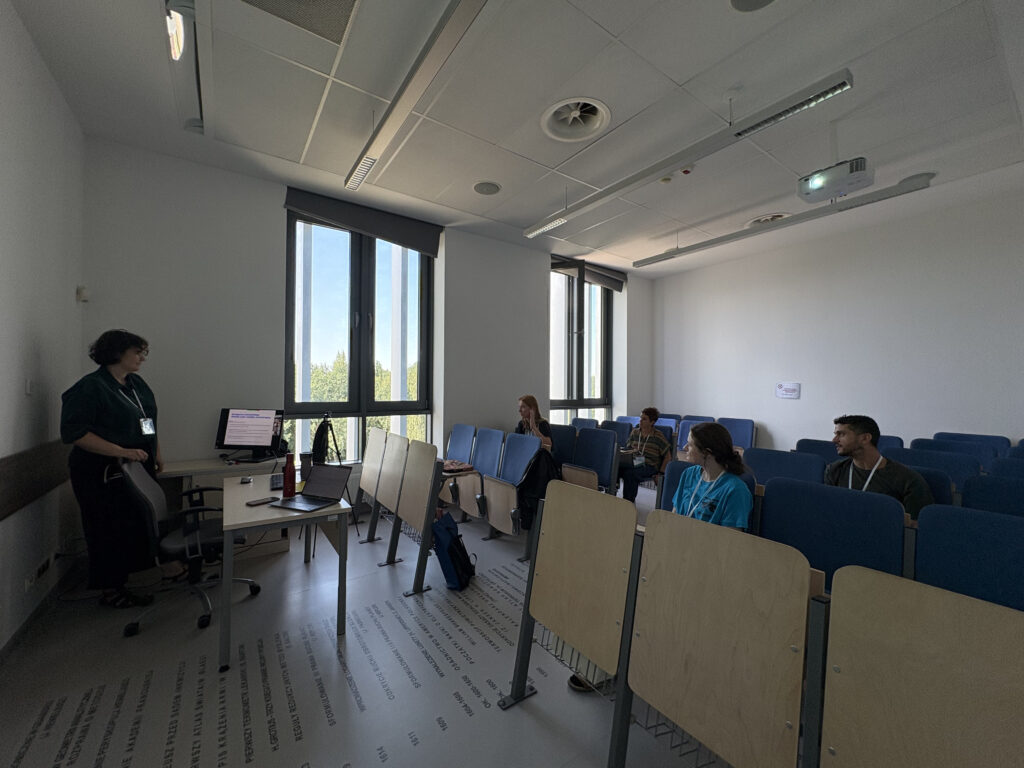
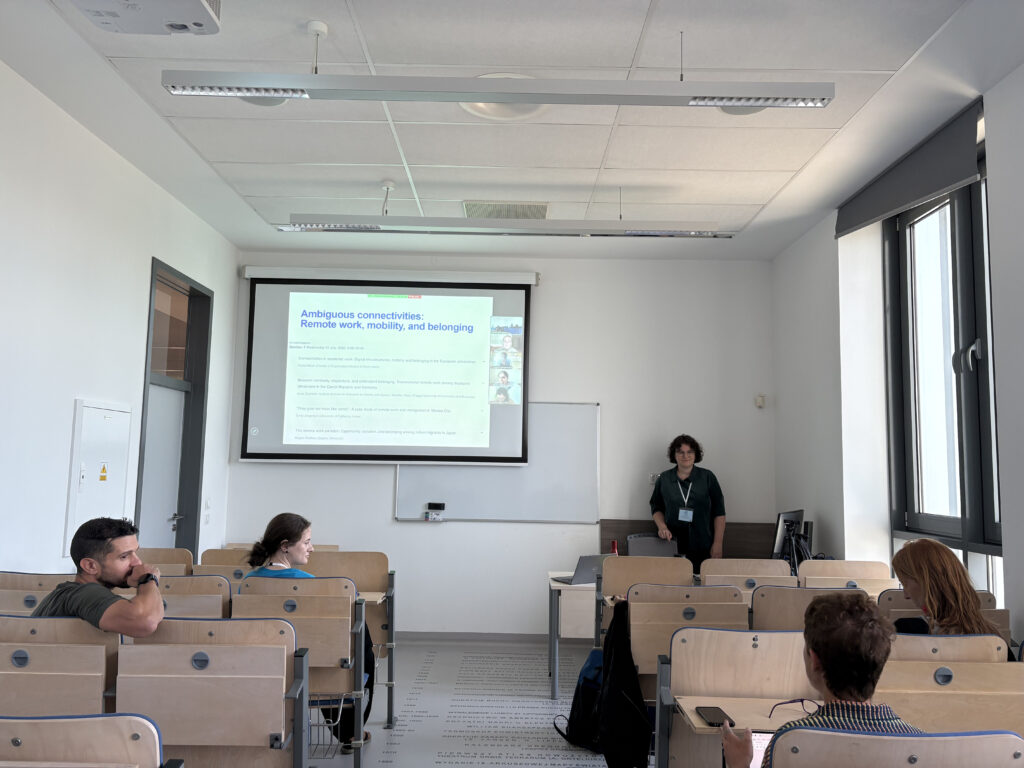
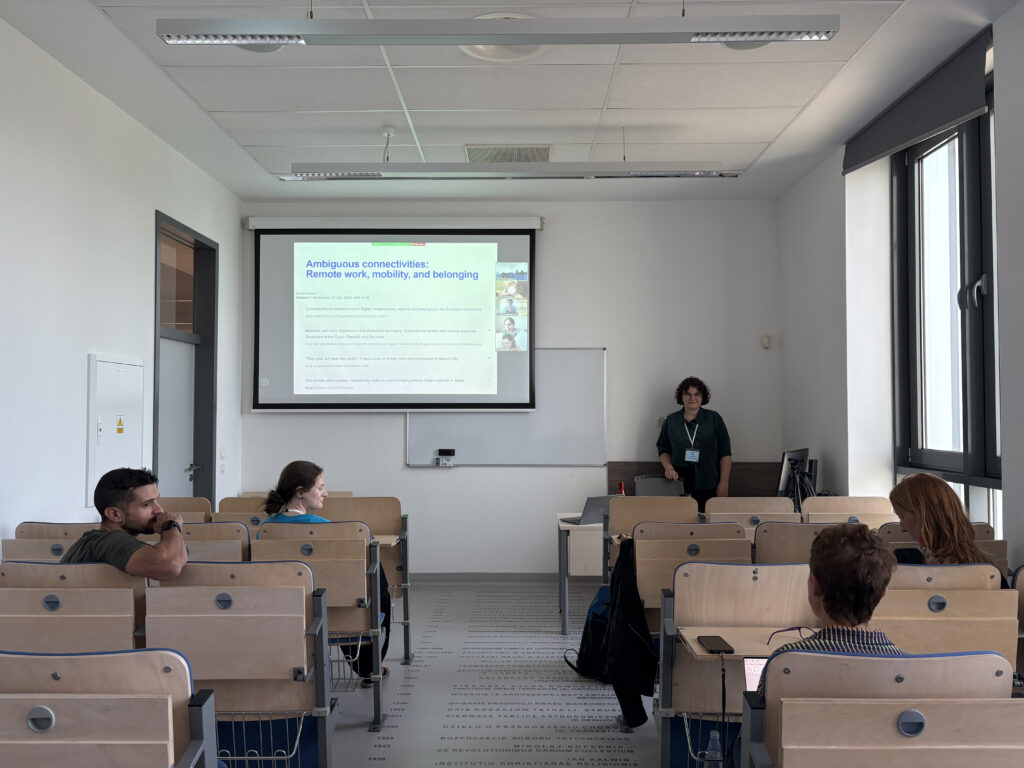
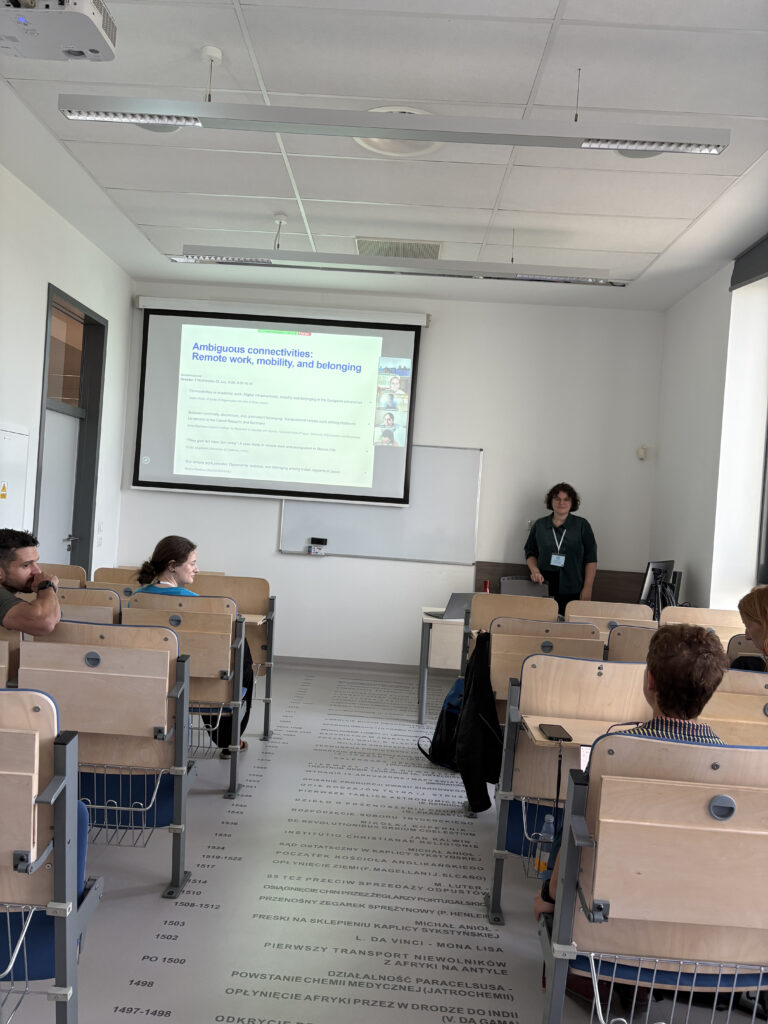
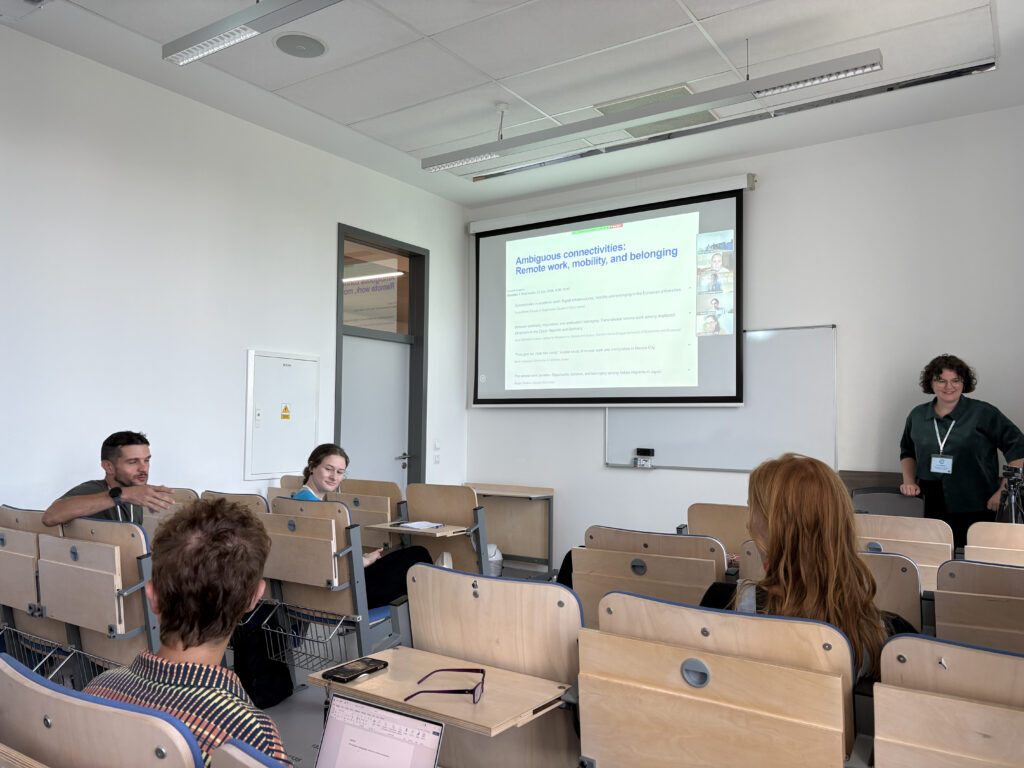
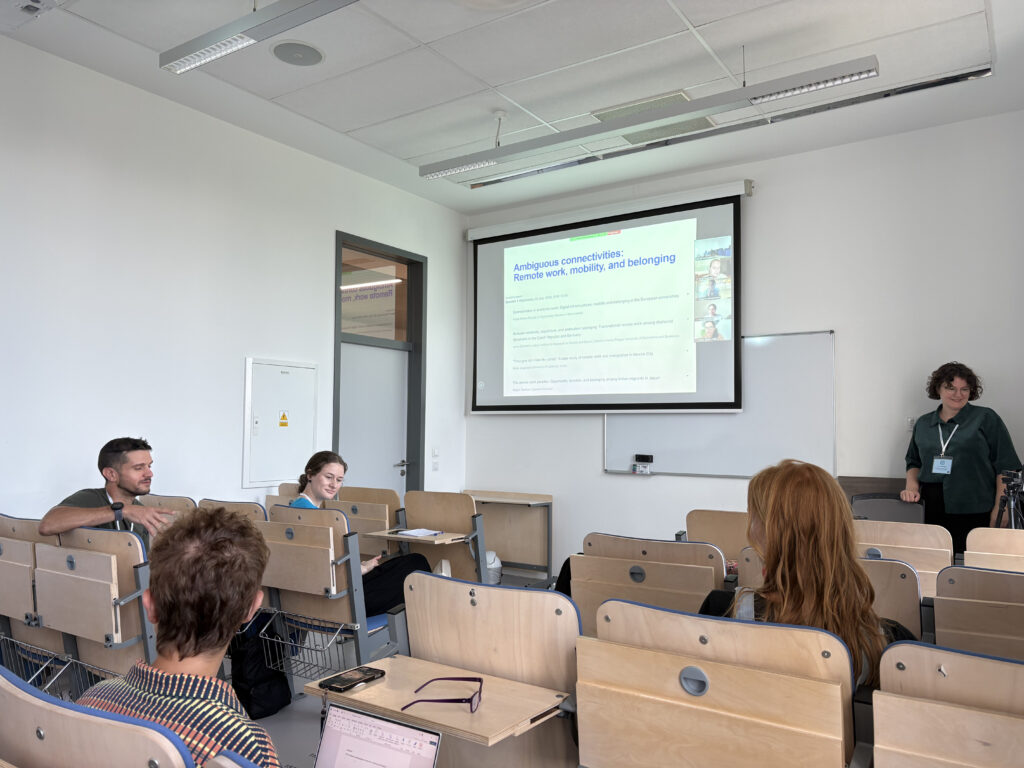
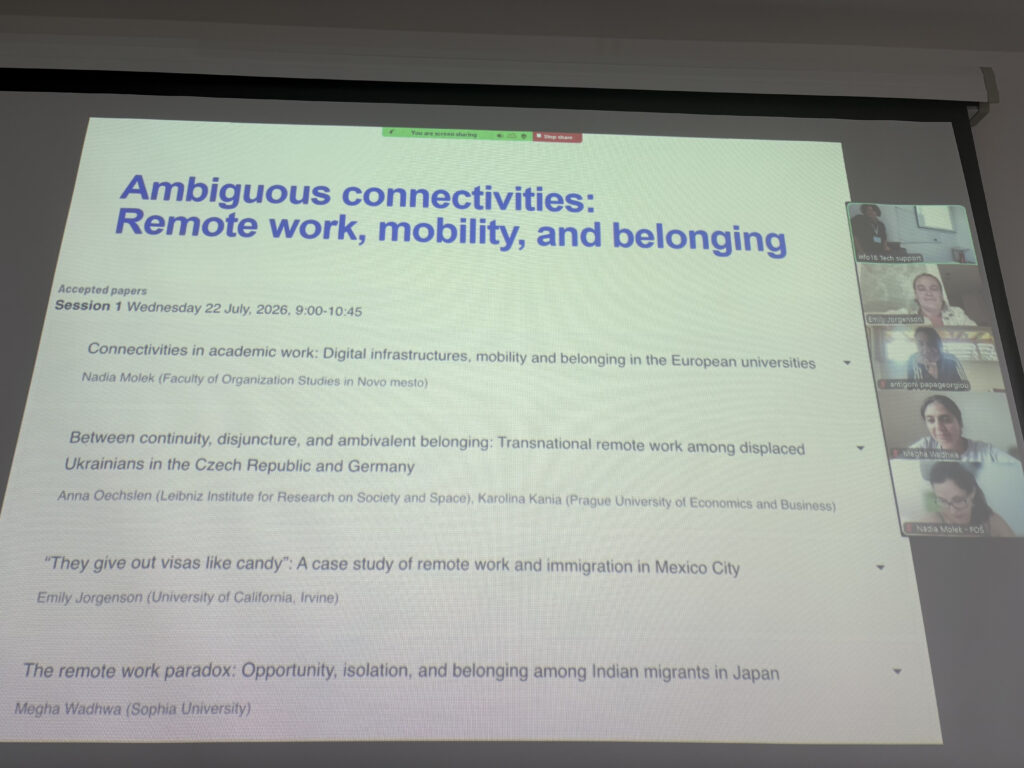
Anna Oechslen, from the Leibniz Institute for Research on Society and Space, and Karolina Kania, from the Prague University of Economics and Business, convened the panel “Ambiguous connectivities: Remote work, mobility, and belonging.”
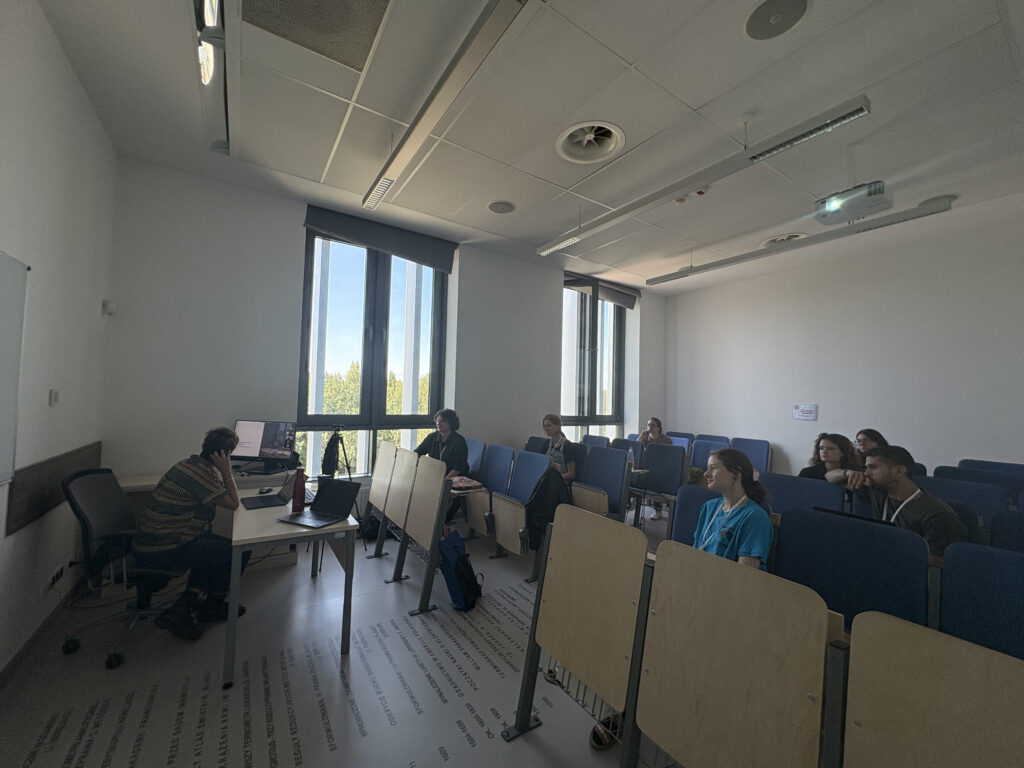
The panel brought together six papers across two sessions on Wednesday, 22 July, exploring remote work, digital nomadism, mobility, connectivity and belonging from different perspectives. The presentations addressed topics ranging from academic mobility in European universities and digital nomadism across the Global North–South divide to migrant and refugee experiences of remote work in Mexico City, Japan, Czechia and Germany.
Within the panel, Anna Oechslen and Karolina Kania presented the paper “Between continuity, disjuncture, and ambivalent belonging: Transnational remote work among displaced Ukrainians in the Czech Republic and Germany.”
Drawing directly on REMAKING’s case study on displaced Ukrainian workers in Czechia and Germany, the paper examined how transnational remote work enables displaced Ukrainians to maintain professional continuity and connections with home.
At the same time, remote work can generate new forms of social and emotional friction, including legal precarity, cramped housing conditions and feelings of guilt associated with being safe while colleagues, relatives or friends remain in danger. The researchers analyse these complex and sometimes contradictory experiences through the concept of “ambivalent belonging.”
The panel also included a presentation by Antigoni Papageorgiou, from Panteion University of Social and Political Sciences, based on findings from REMAKING’s digital nomads case study.
Co-authored with Alexandra Wrbka and Colm Stockdale, the paper “Creative work on the move: Digital nomadism and the maintenance of privilege across north–south divides” explored how digital nomadism and mobile creative work can reproduce existing inequalities and forms of privilege across the Global North–South divide.
Together, the two REMAKING contributions highlighted the diversity of remote and mobile work experiences, showing how connectivity can provide continuity, flexibility and new opportunities while also reinforcing inequalities, uncertainty and complex forms of belonging.